


Sloth FactsSloth Science
THE SLOTH SCIENCE JOURNALSLOTH FACTS
Sloth Moths: The Tiny Insects Living in Sloth Fur
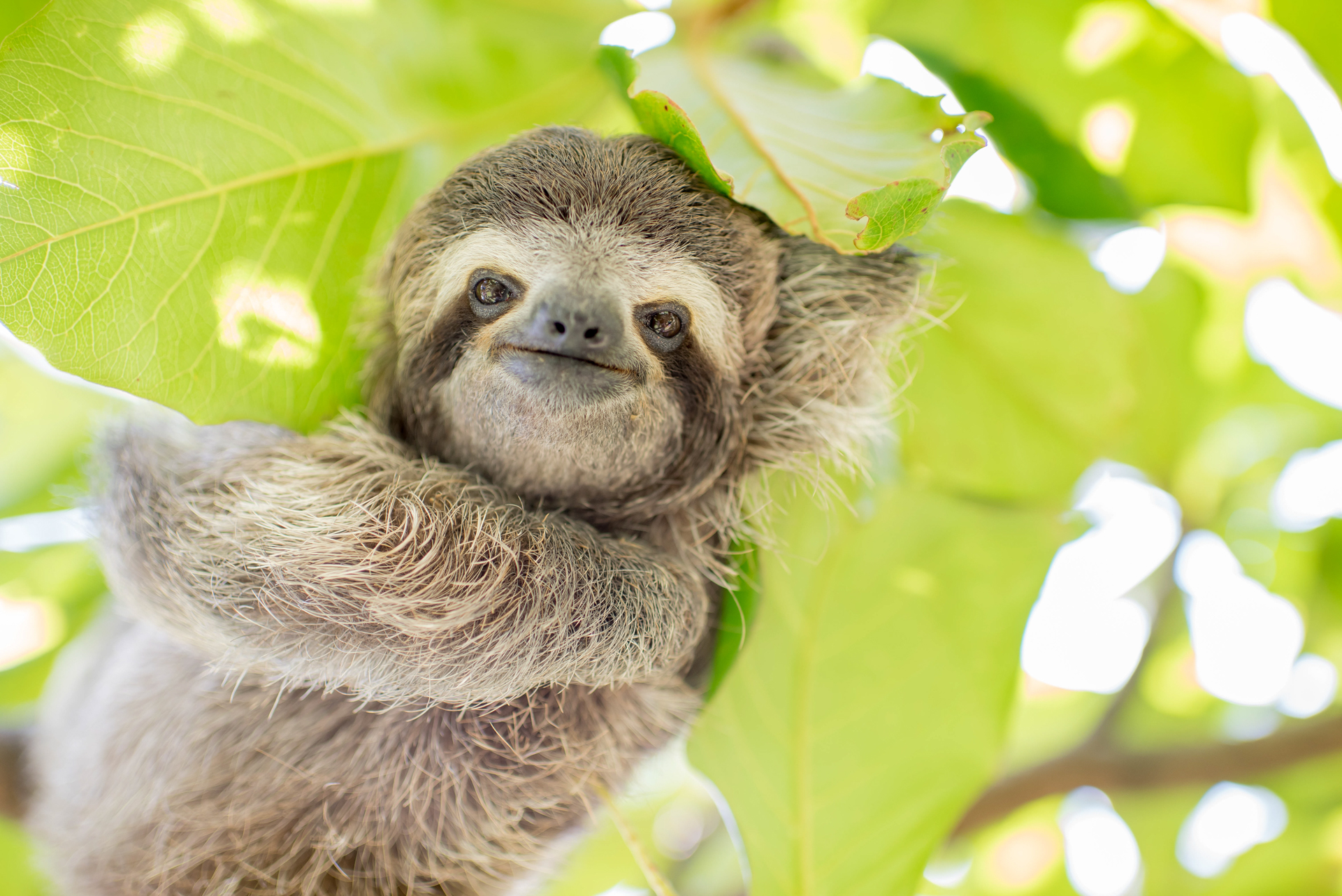
At The Sloth Institute, we often talk about how sloths are more than just animals. They are entire ecosystems.
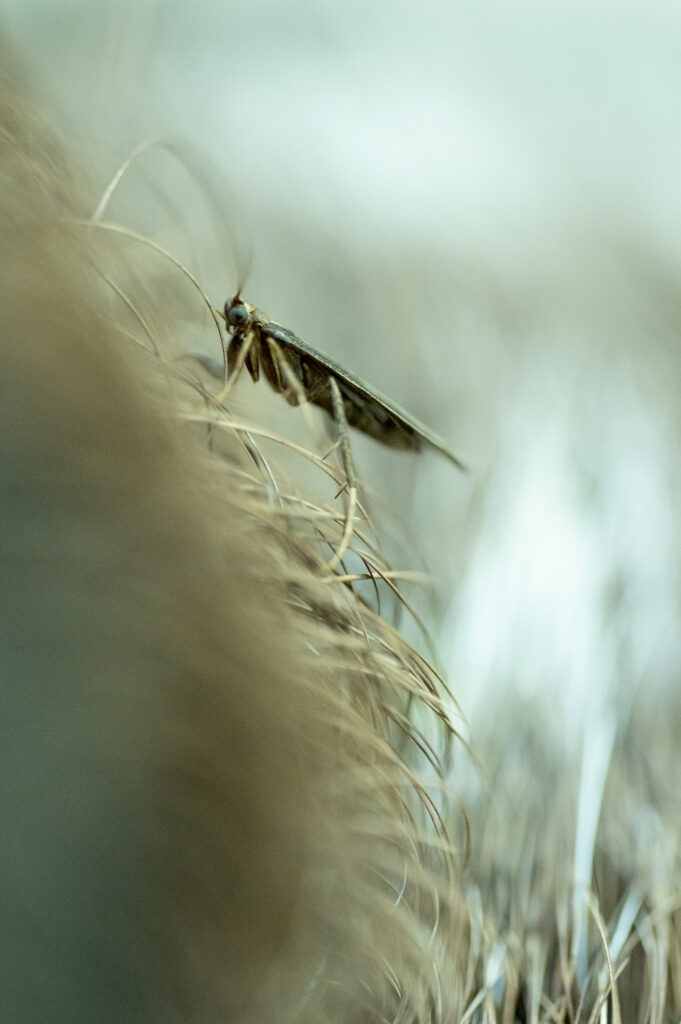
One of the most fascinating examples of this is the relationship between sloths and sloth moths, tiny insects from the genus Cryptoses that live directly within sloth fur.
These moths are part of the diverse epibiont community found on sloths, alongside algae, fungi, bacteria, and other microorganisms that thrive in their unique coat.
Why Do Moths Live on Sloths?
Sloth fur creates a surprisingly ideal habitat for small organisms.
Because sloths move slowly through humid rainforest canopies, moisture becomes trapped within the grooves and cracks of their specialized hair structure. This allows entire microscopic ecosystems to develop directly on their bodies.
Sloth moths spend much of their lives living within this environment, hidden deep in the fur of sloths.
Although we still do not fully understand the relationship, we have conducted research and continue to study whether sloth moths contribute to the overall health of the sloth fur ecosystem.
The Connection Between Sloths, Fur, and Claws
At The Sloth Institute, we often explain that nearly every part of a sloth’s anatomy contributes to its role as a “mobile ecosystem.”
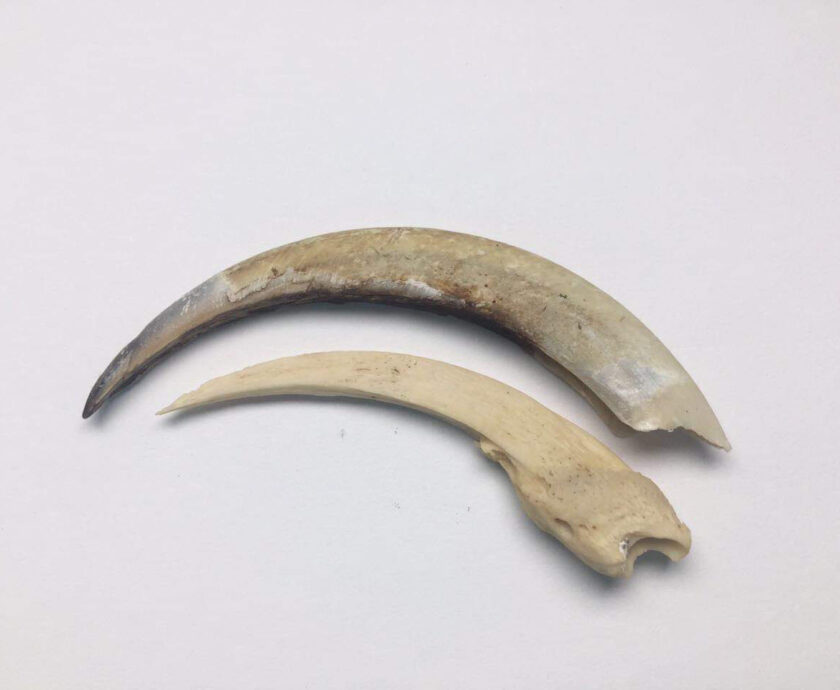
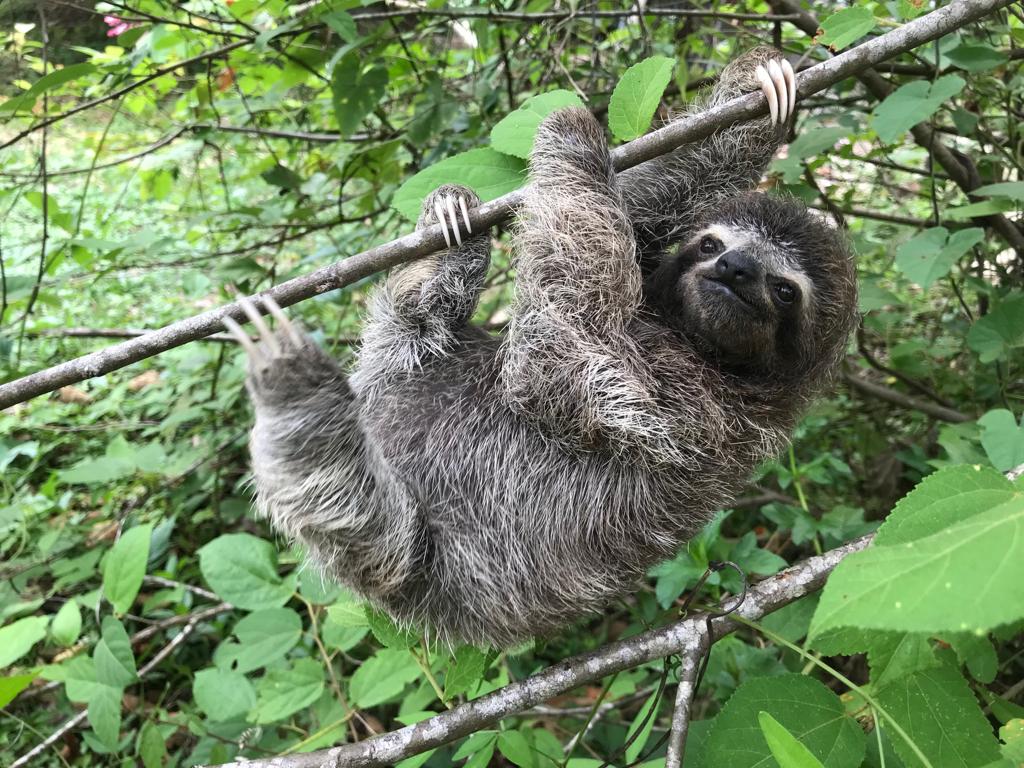
Their specialized fingers and toes, commonly mistaken for claws, allow sloths to hang motionless for long periods while conserving energy. This slow lifestyle creates stable conditions for algae, moths, and microorganisms to thrive in their fur.
Because sloths spend so much time suspended high in rainforest canopies, they essentially carry entire living communities through the forest.
A Living Rainforest Ecosystem
Scientific reviews on sloth epibionts suggest sloths may act as reservoirs of unexplored biodiversity, making them incredibly important for understanding rainforest ecology and symbiotic relationships.
At The Sloth Institute, studying organisms like sloth moths helps us better understand how interconnected rainforest ecosystems truly are.
Even one slow-moving sloth can support an entire hidden world of life.