

What It Means for Sloths
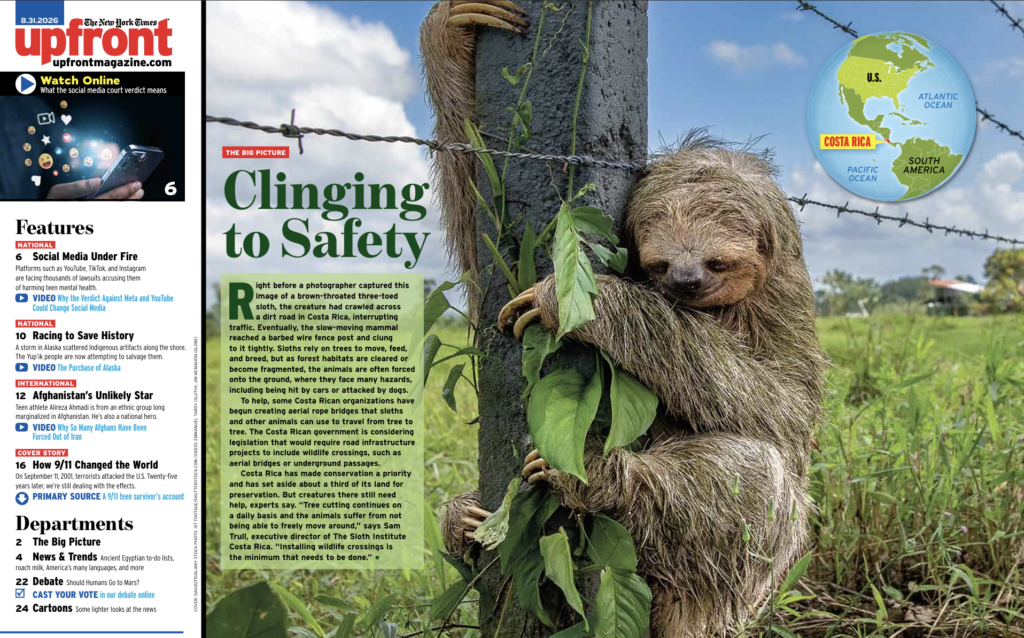
We have been waiting for this news for a long time, and it is finally here. On August 4, Costa Rica’s legislature voted unanimously, 56 to 0, to pass a law requiring wildlife crossings in public infrastructure projects wherever scientific evidence shows animals need them. It is one of the strongest wins for wildlife connectivity we have seen in our time working here, and we were proud to speak about why it matters when The New York Times Upfront reached out to us for comment.
The new law amends Costa Rica’s Organic Environmental Law by adding Article 31 bis, which specifies the next steps. Developers must now study wildlife movement routes and roadkill hotspots before building or upgrading roads, and mitigation measures, including budgeting for them, have to be planned from the earliest stages of a project rather than added on afterward.
The law covers both terrestrial and aquatic species, not just the arboreal animals like sloths that most people picture when they hear “wildlife crossing.” SINAC, Costa Rica’s National System of Conservation Areas, has to approve every measure, and within the next 24 months, SINAC is required to identify priority wildlife crossing points nationwide.
THE DATA THAT MADE THE CASE
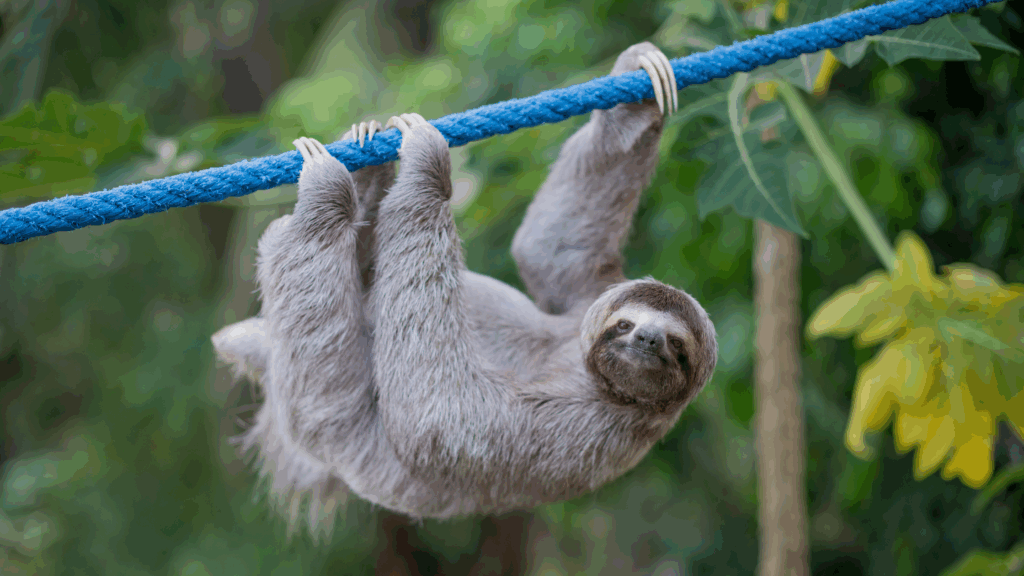
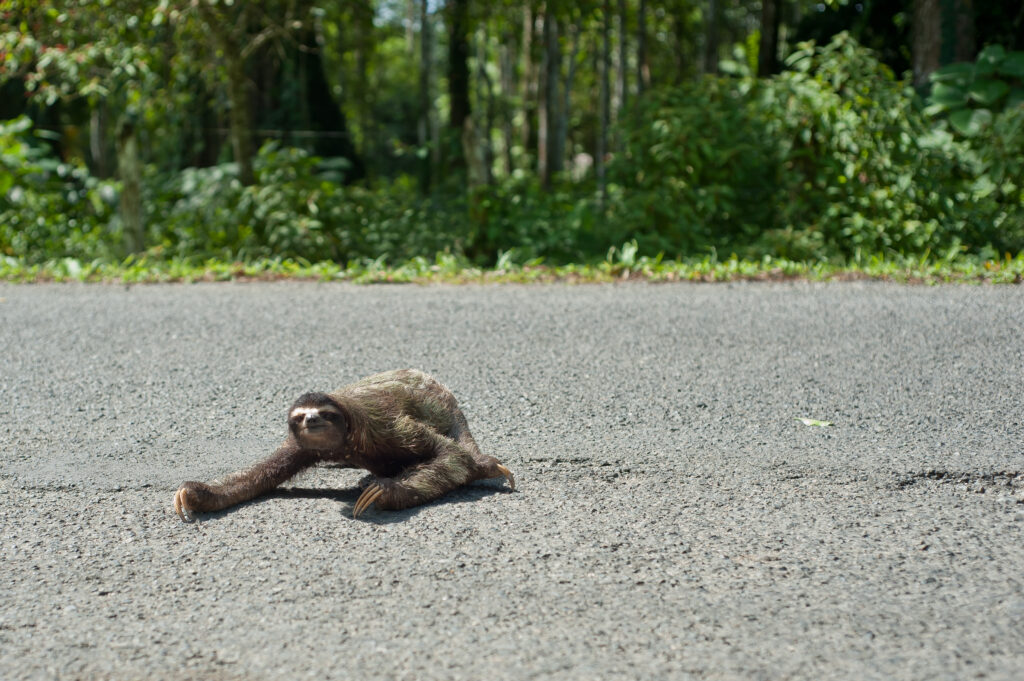
This law did not happen in a vacuum. Over 19,000 documented roadkill records helped inform the legislation, giving lawmakers hard evidence of just how many animals were dying on the country’s roads. That evidence-based approach matters to us as a science-driven organization, and it is worth celebrating that Costa Rica already has real proof this works. Fifty-nine species have been documented using existing wildlife crossing structures, and sloths and other arboreal animals have been observed adopting canopy bridges within 24 hours of installation. Wildlife crossings can no longer be treated as an afterthought, and now they will not be.
We are thrilled about this law, and we also know it is a floor, not a ceiling. Terrestrial crossings in particular have lagged behind canopy bridges for arboreal species, even though ground-dwelling wildlife is killed on Costa Rican roads every day. We will watch closely as SINAC identifies priority crossing points over the next two years, and we hope terrestrial crossings get the same urgency as canopy bridges.
HOW YOU CAN HELP:
Laws like this pass because people keep the pressure on and keep the funding flowing for the research behind them. One of the clearest ways to see that funding at work is our Sloth Speedways, the canopy bridges we build and maintain so sloths and other arboreal animals can cross safely above the very roads this new law is targeting.
Every donation to a Sloth Speedway helps expand exactly the kind of connectivity Costa Rica just made a national priority, and it keeps us in the field every day advocating for wins exactly like this one.