




Sloth FactsSloth Science
THE SLOTH SCIENCE JOURNALSLOTH FACTS
Sloths Can Lose Up to 30% of Their Body Weight After Going to the Bathroom
One of the most surprising facts we share at The Sloth Institute is just how much sloths can weigh before and after using the bathroom.
Believe it or not, sloths can lose up to 30% of their body weight after urinating and defecating. For an animal already known for its slow metabolism and energy conservation, this is a massive physical change.
Even more fascinating, sloths may only go to the bathroom about once per week, some even holding it up until one month.
Why Do Sloths Hold It for So Long?
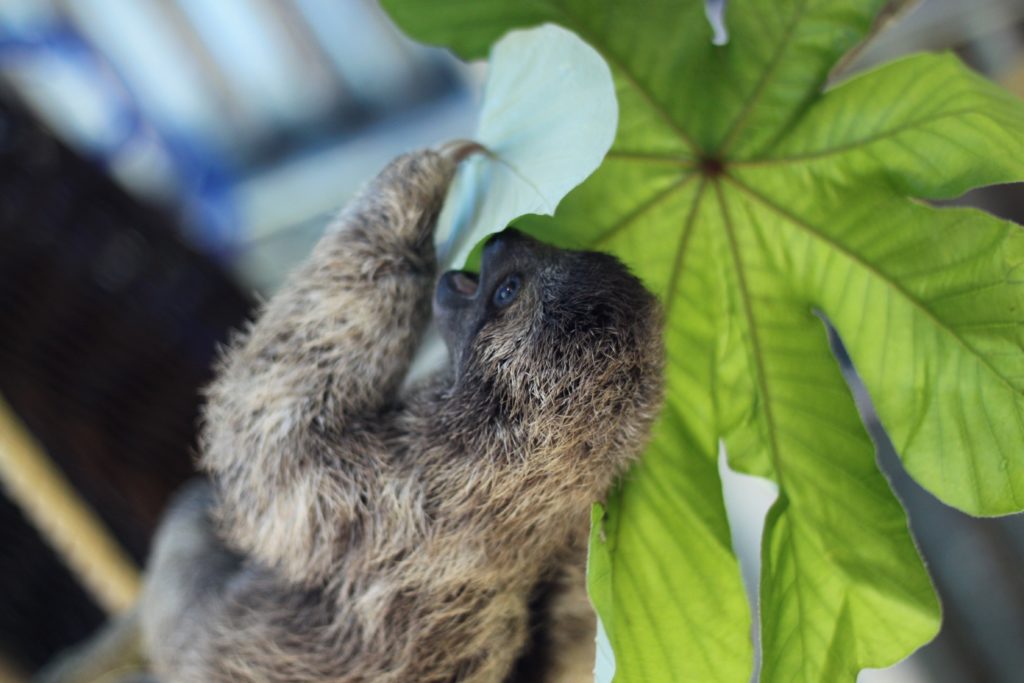
Sloths survive on a very low-energy diet made mostly of leaves, which are difficult to digest and provide relatively few calories. Because of this, sloths have evolved one of the slowest digestive systems of any mammal.
At The Sloth Institute, we often explain that nearly every aspect of sloth biology is centered around conserving energy. Their digestion process can take days, and their bodies are designed to process food as slowly and efficiently as possible.
As a result, waste builds gradually over time until the sloth eventually descends from the canopy to urinate and defecate.
A Huge Weight Change for a Slow Animal
Losing up to 30% of body weight in a single bathroom trip is extraordinary in the animal kingdom. For perspective, imagine a human suddenly losing nearly a third of their weight in one moment.
Researchers and sloth conservation organizations, including our organization partner at The Sloth Conservation Foundation, have documented this dramatic change as part of the sloth’s unique biology and slow digestive cycle.
This weight reduction may even help sloths regain agility after descending to the ground, where they are at their most vulnerable.
Why This Behavior Matters
Because sloths only descend periodically, every trip to the forest floor carries risk. Sloths are highly adapted for life in the trees, and time spent on the ground exposes them to predators and increasing human-related dangers such as roads, dogs, and habitat fragmentation.
At The Sloth Institute, understanding behaviors like digestion and elimination helps us better protect wild sloths and educate the public about how specialized these animals truly are.
What may seem like a funny sloth fact is actually part of a carefully evolved survival strategy. From their slow metabolism to their unique bathroom habits, sloths are perfectly designed for survival in rainforest ecosystems where conserving energy is essential.