How Many Species of Sloths Are There? A Complete Guide
November 12, 2025
How Many Species of Sloths Are There?
A Complete Guide
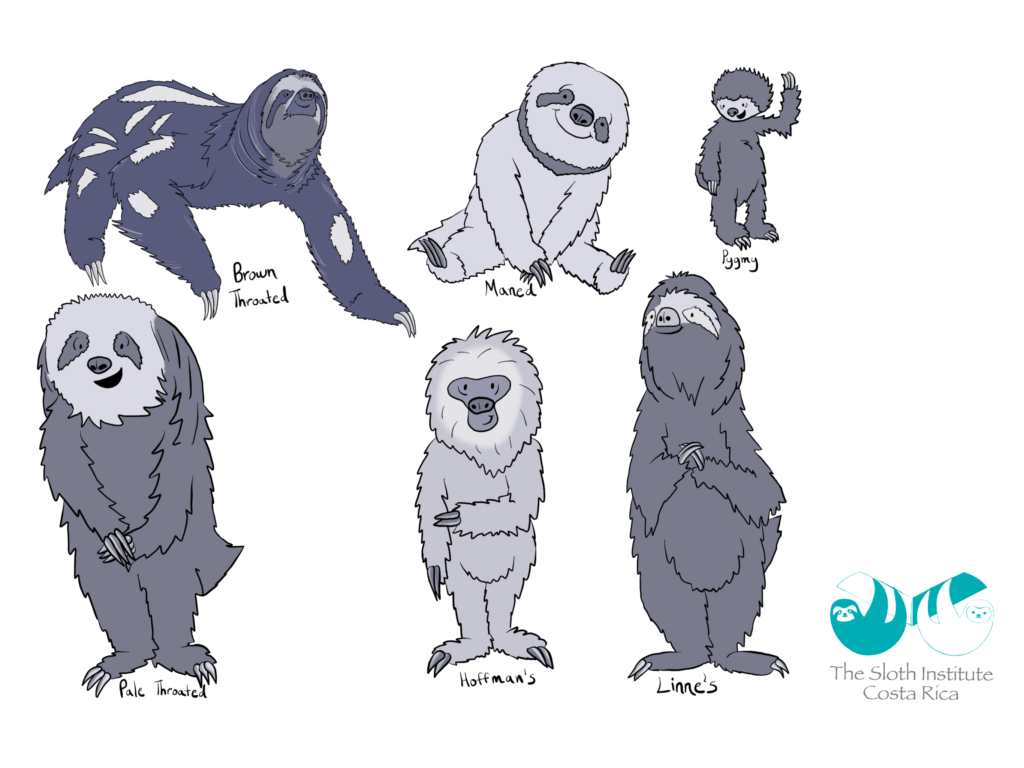
Most people know sloths as the famously slow, tree-dwelling mammals of Central and South America, but far fewer know that there are actually six living species of sloths in the world, split into two very distinct groups: three-fingered sloths (genus Bradypus) and two-fingered sloths (genus Choloepus). Despite their similar lifestyles, these two groups are not closely related and evolved their shared traits: slowness, curved claws, arboreal habits – independently through convergent evolution.
The Three-Fingered Sloths - Genus Bradypus
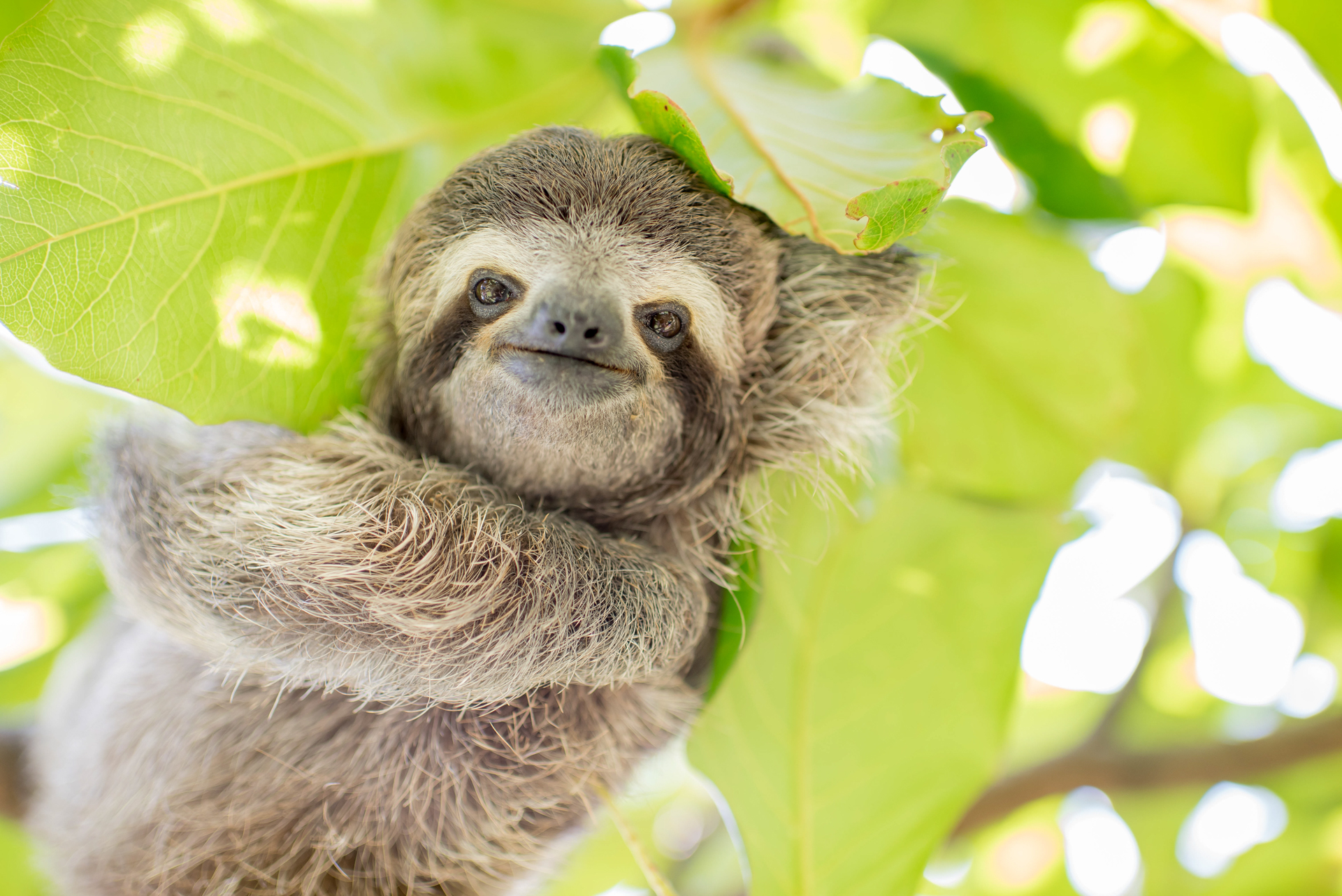
Three-fingered sloths have three fingers on both their hands and their feet, are generally active during both day and night (cathemeral), and are strictly herbivorous.
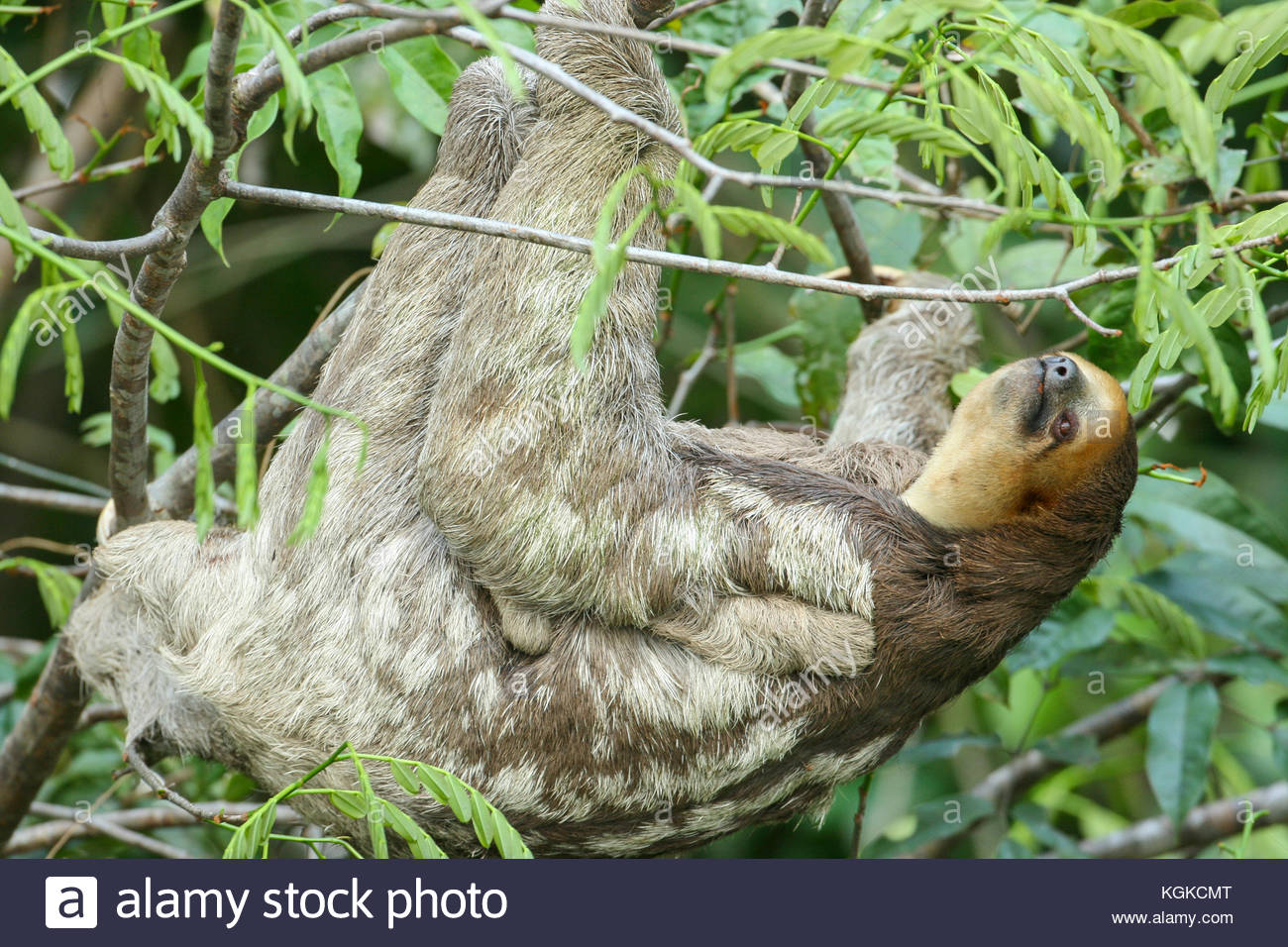
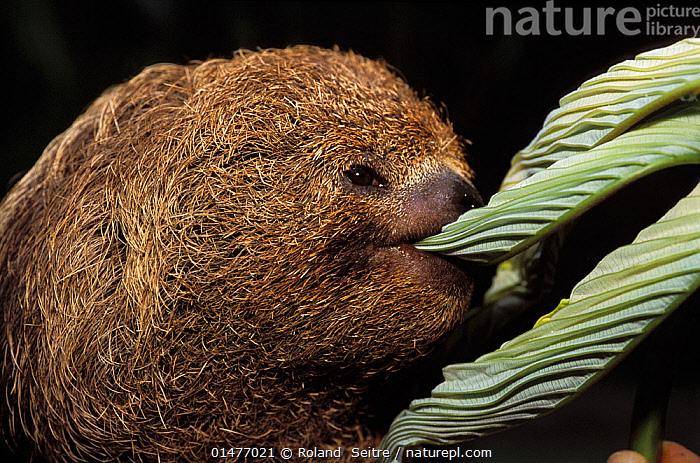
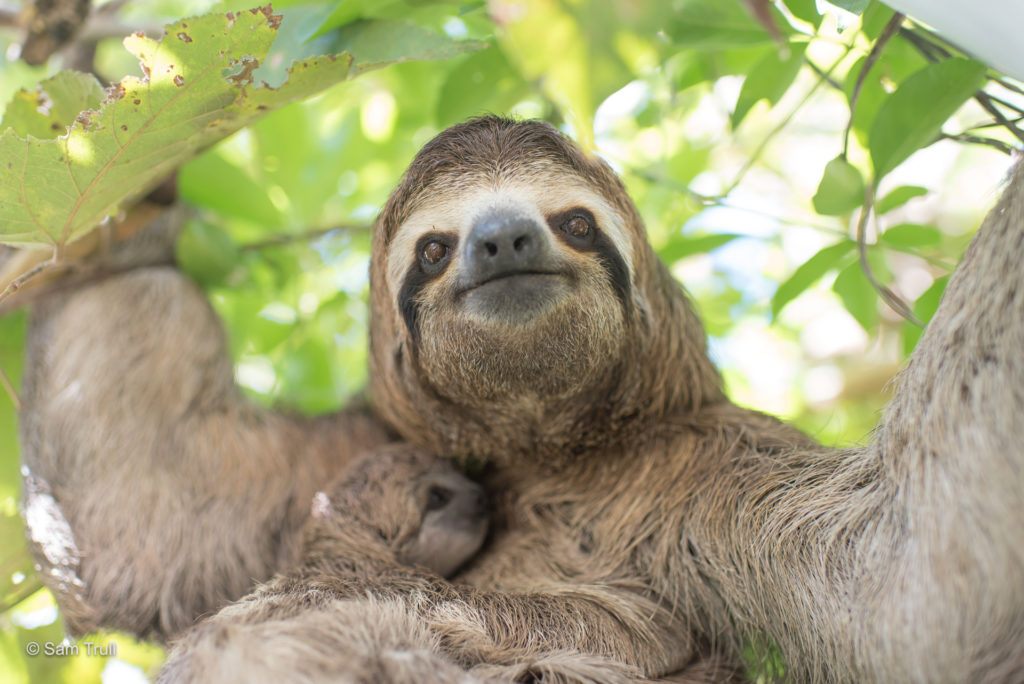
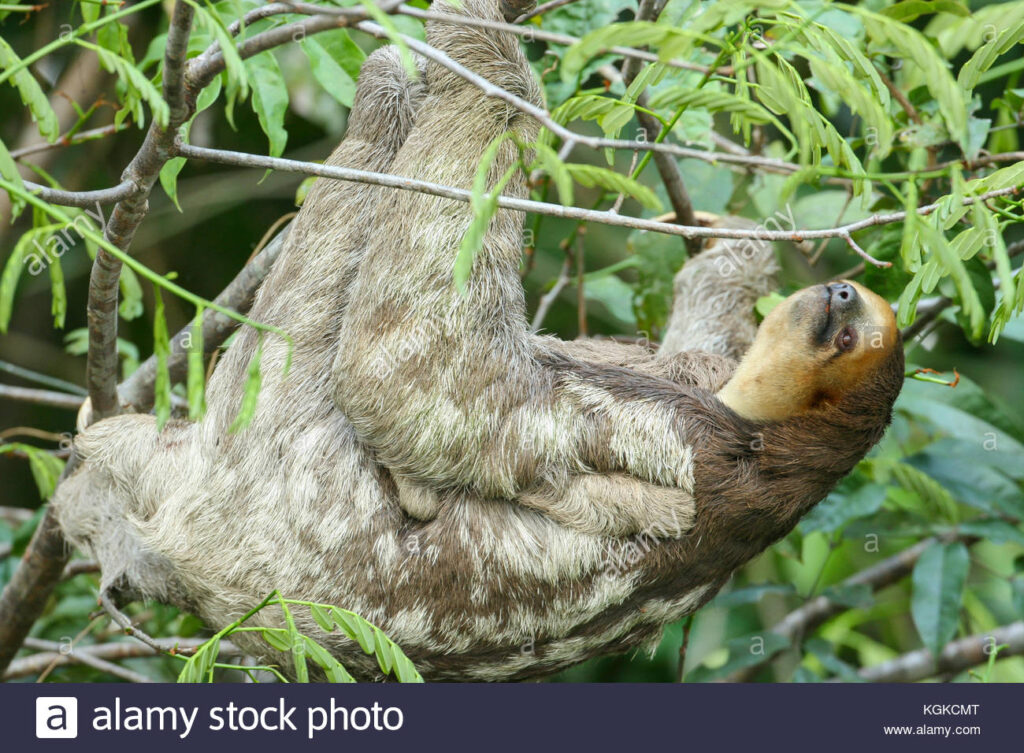
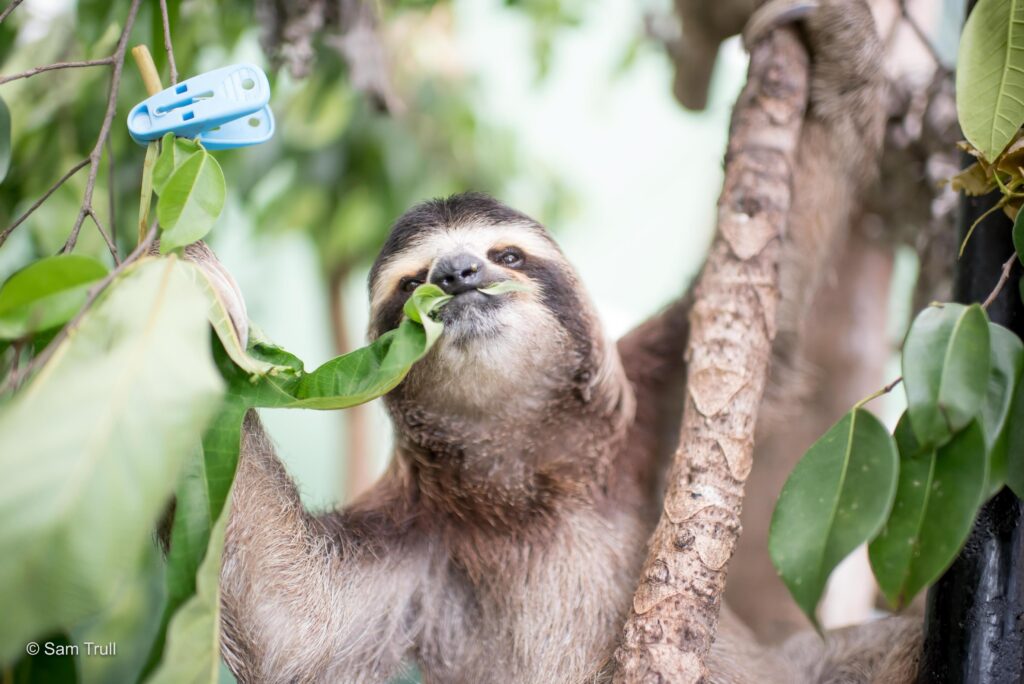
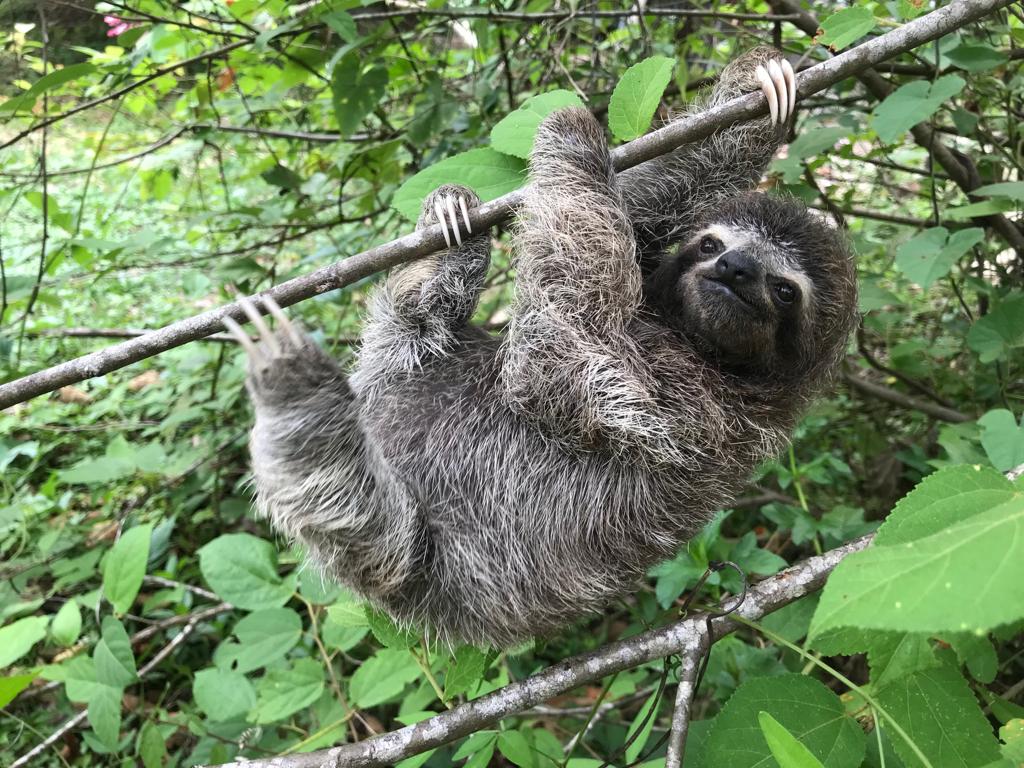
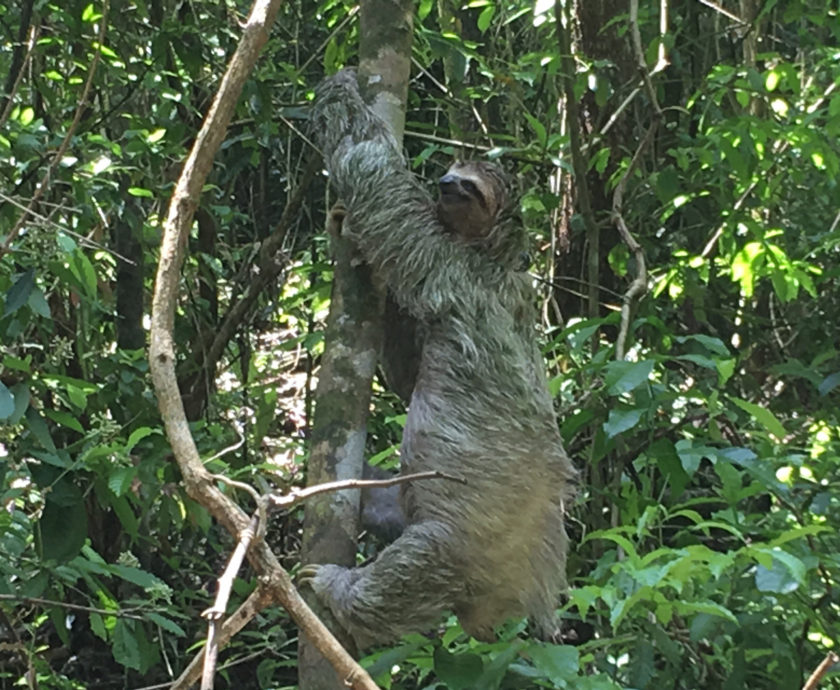
The most widespread sloth species on the planet, the brown-throated three-fingered sloth, ranges from Honduras all the way down to Brazil. It is the species most commonly encountered in Costa Rica and the one you’re most likely to spot hanging in a cecropia tree.
IUCN Status: Least Concern.
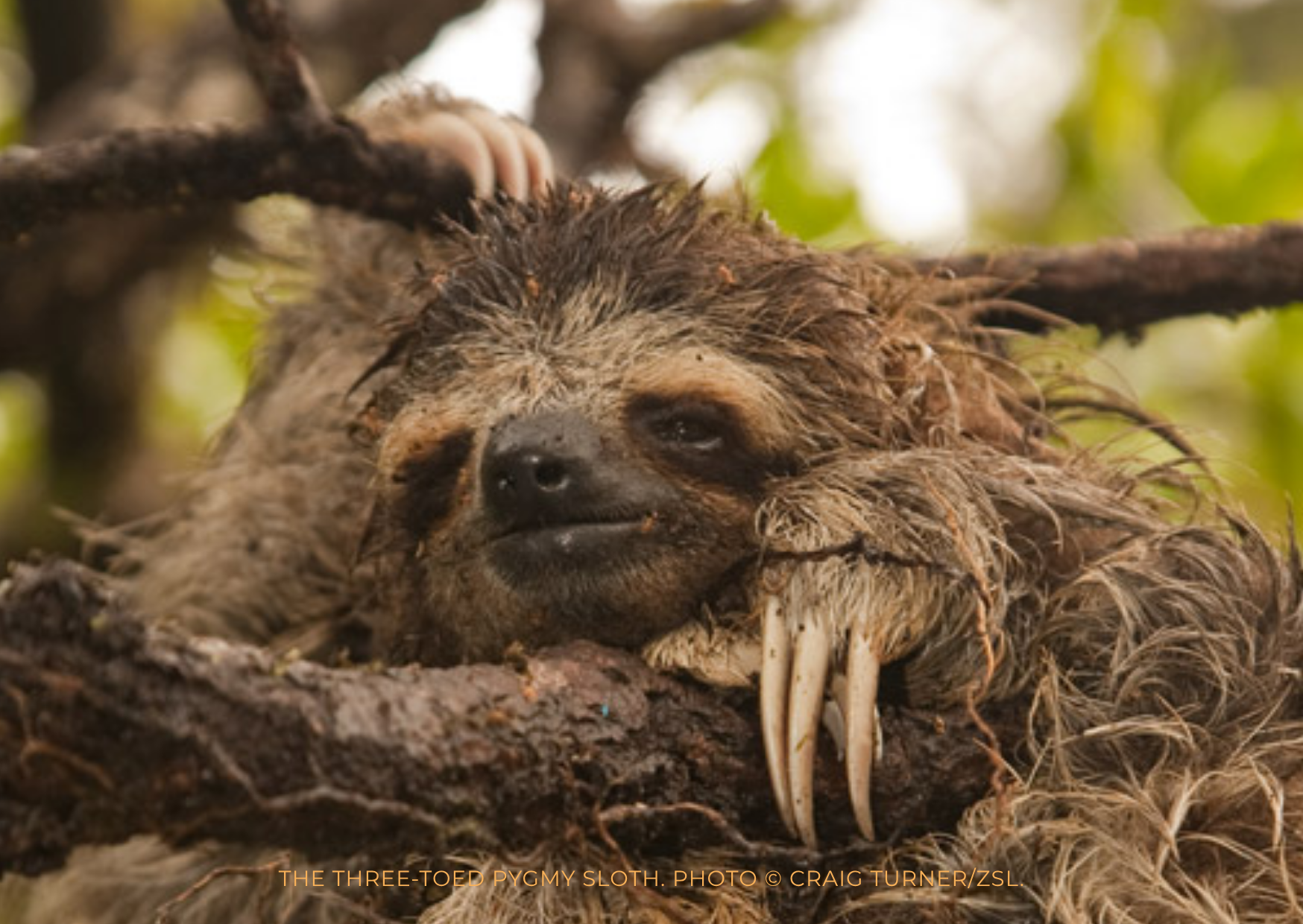
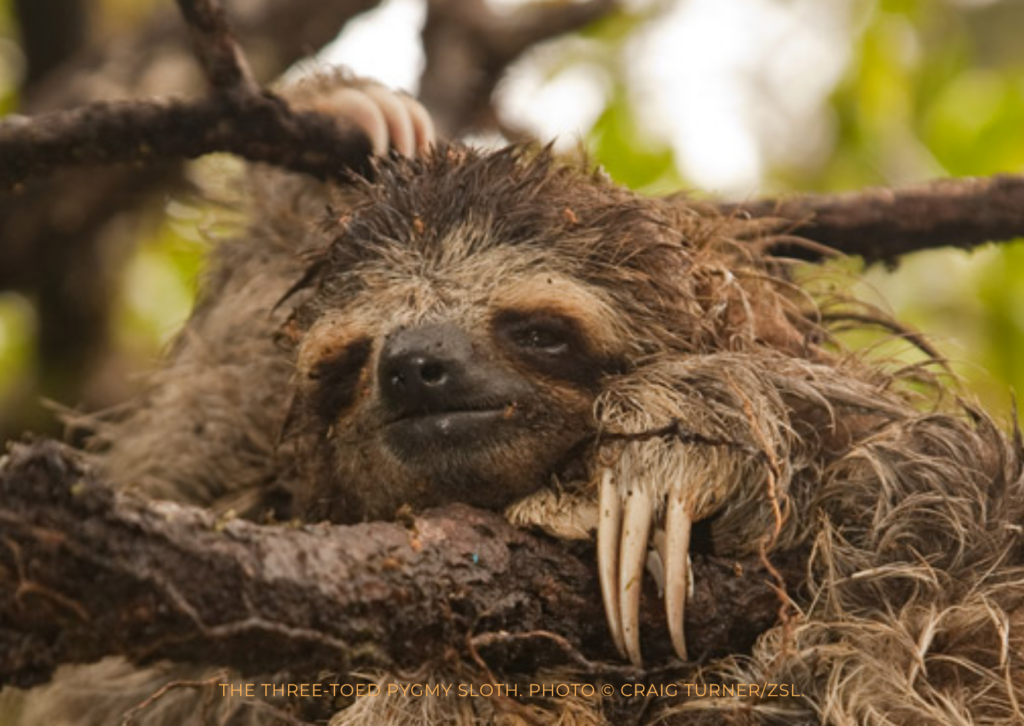
2. Pygmy Three-Fingered Sloth (Bradypus pygmaeus)
The most widespread sloth species on the planet, the brown-throated three-fingered sloth, ranges from Honduras all the way down to Brazil. It is the species most commonly encountered in Costa Rica and the one you’re most likely to spot hanging in a cecropia tree.
Named for the distinctive mane of long black fur around its neck and shoulders, the maned sloth is found exclusively in the Atlantic coastal rainforests of southeastern Brazil, one of the most threatened ecosystems on Earth.
Found across the Guianas, Suriname, Venezuela, and northern Brazil, the pale-throated sloth is the least studied of the three-fingered species. It inhabits lowland tropical forest and shares much of its range with its brown-throated cousin.
IUCN Status: Least Concern.
The Two-Fingered Sloths - Genus Choloepus
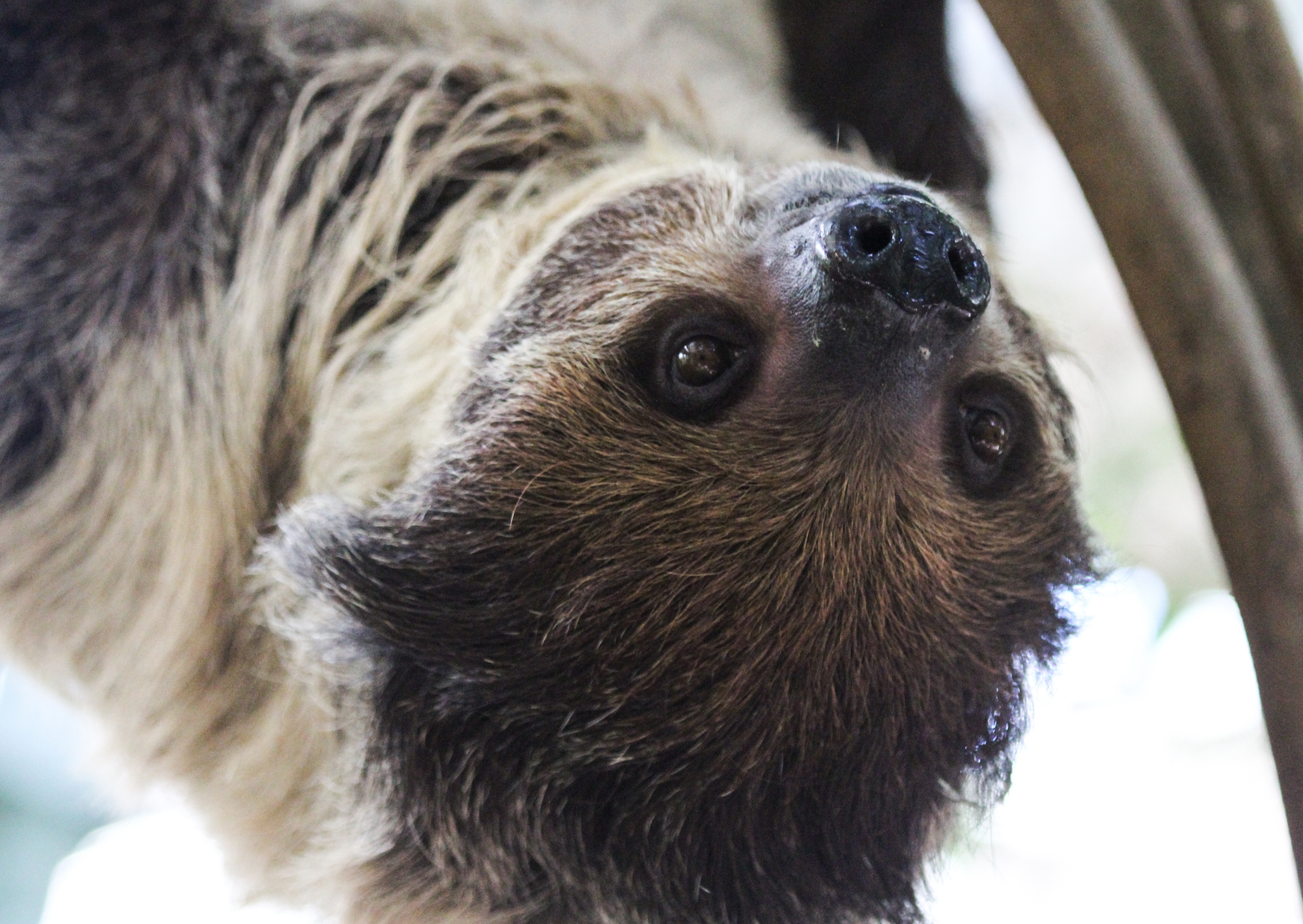
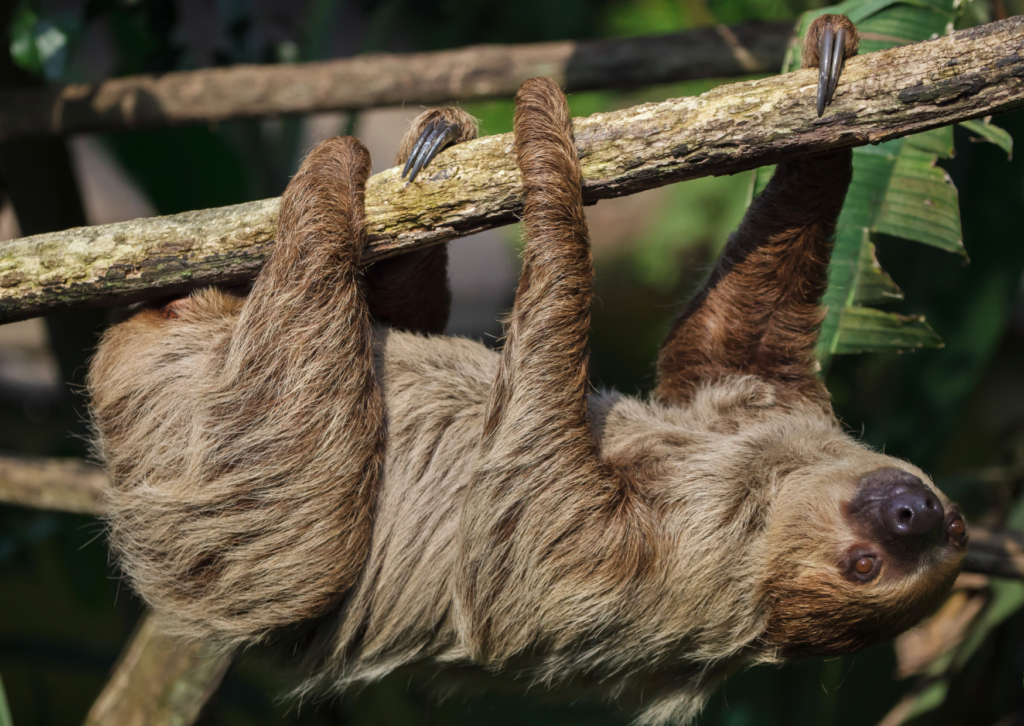
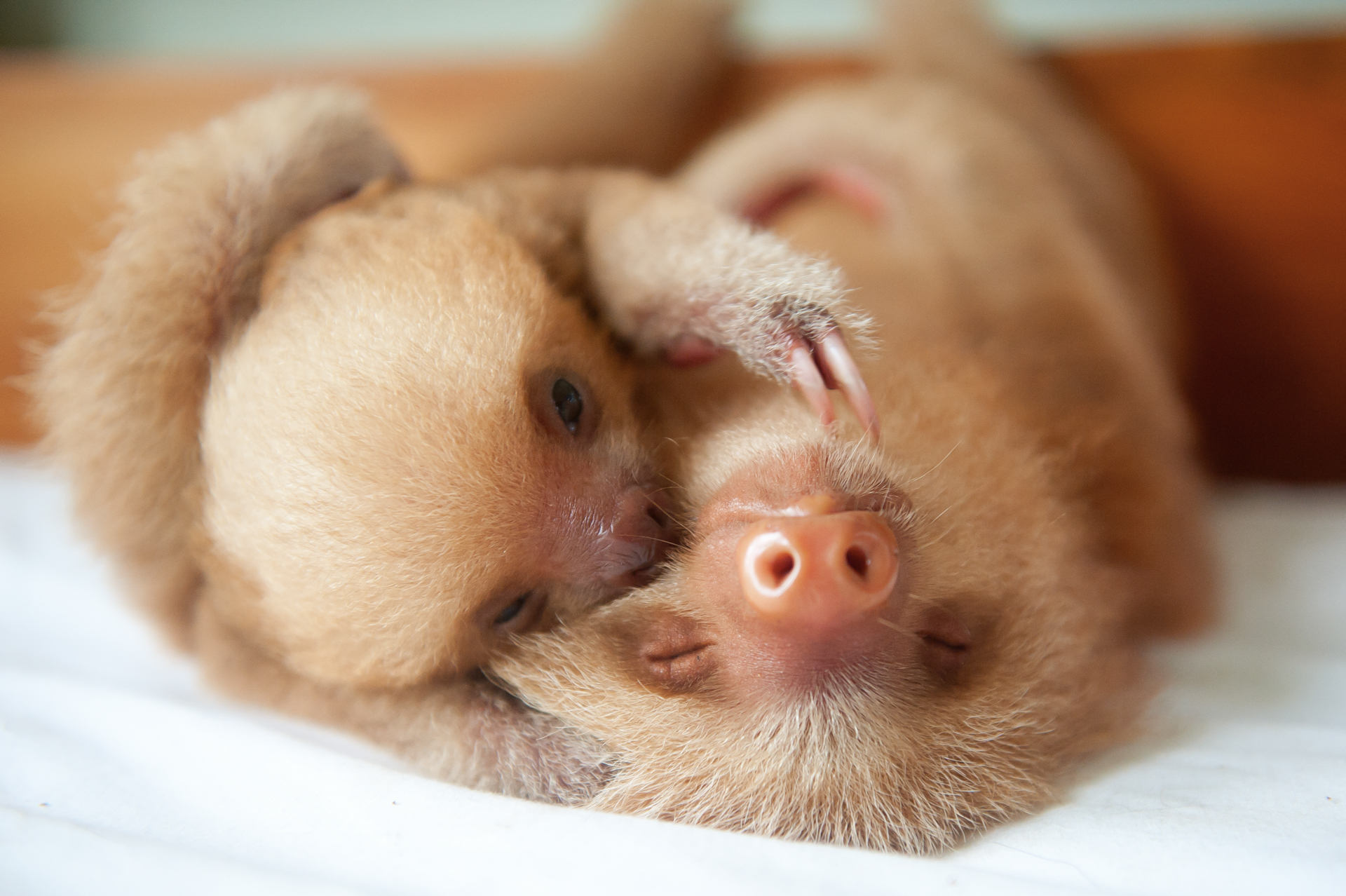
Two-fingered sloths have two fingers on their hands but three toes on their feet, a distinction that trips people up constantly. They are nocturnal, slightly larger than three-fingered sloths, and are considered mildly omnivorous, occasionally eating insects or small vertebrates alongside their plant-based diet. They also have pseudo-canine teeth, enlarged premolars that function like canines and can deliver a serious bite.
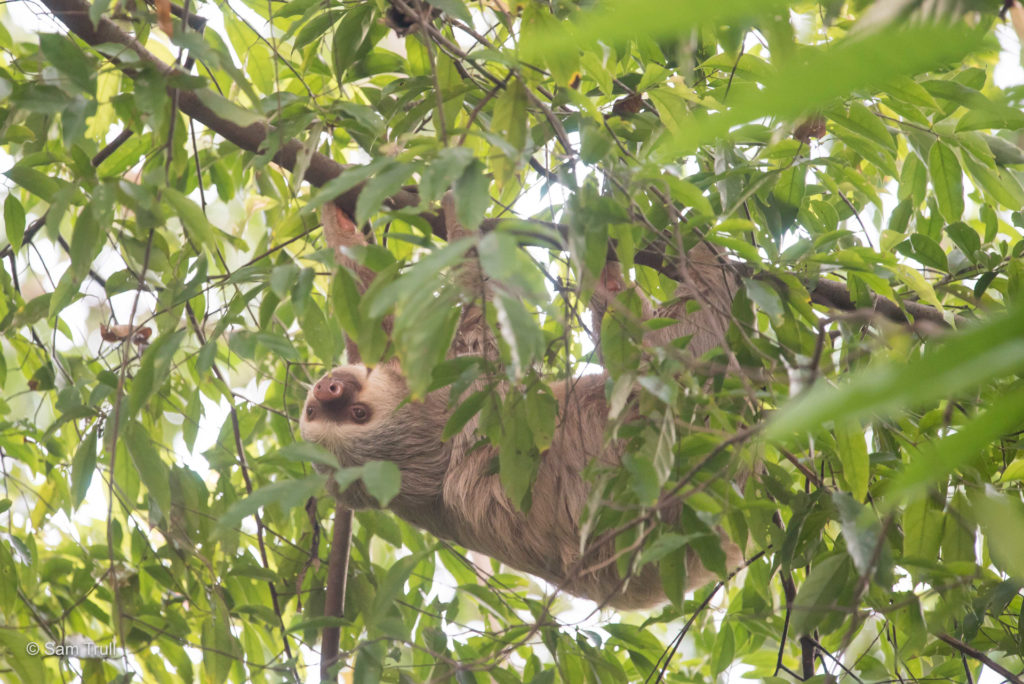
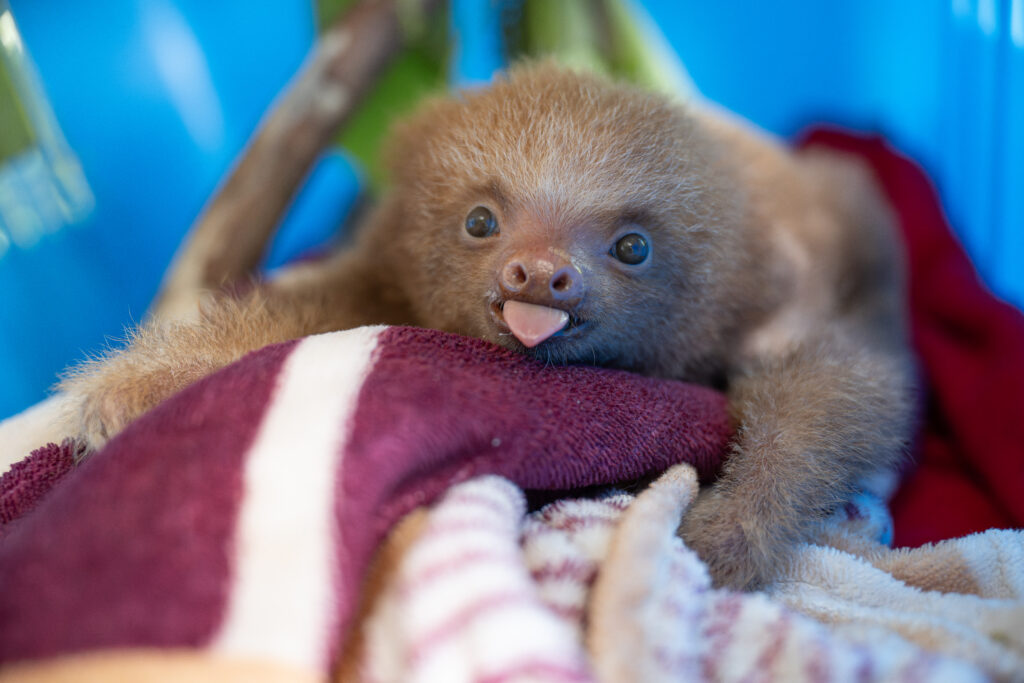
Found sporadically from Honduras through northwestern Ecuador and Peru, and into western Brazil and Bolivia, Hoffmann’s two-fingered sloth is the second species found in Costa Rica, alongside Bradypus variegatus. Adults average 5–6 kg, have a gestation period of 10–11 months (among the longest of any sloth species), and wean their young at around 11–12 months.
The largest of the six species, Linnaeus’s two-fingered sloth ranges across much of South America, Venezuela, the Guianas, Colombia, Ecuador, Peru, and northern Brazil. Like its Hoffmann’s cousin, it is nocturnal and slightly omnivorous.
Costa Rica is home to two species: the brown-throated three-fingered sloth (Bradypus variegatus) and Hoffmann’s two-fingered sloth (Choloepus hoffmanni). Both are found throughout the country, except in the driest parts of the Guanacaste Province, and typically below 2,000 meters in altitude, with higher population densities closer to sea level.
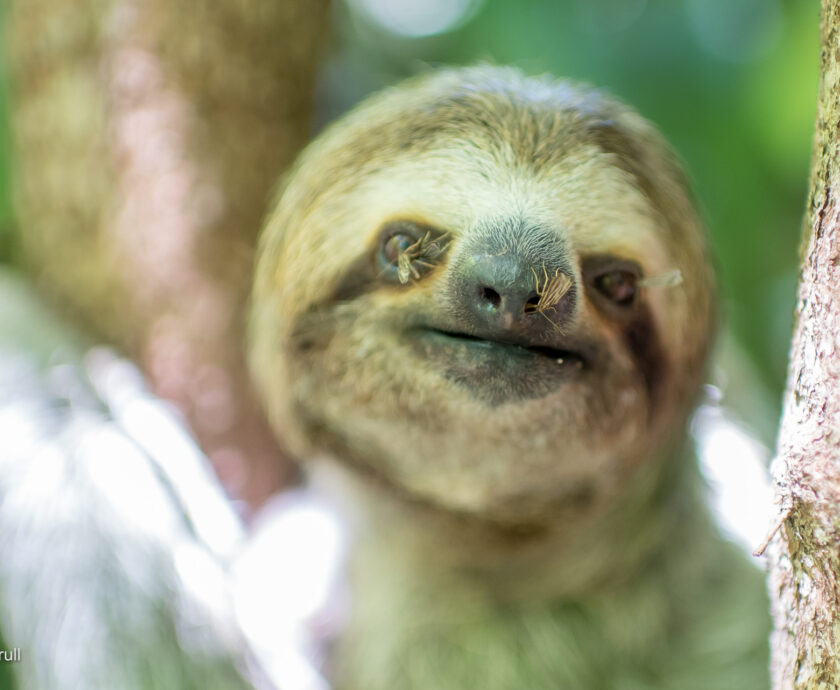
Telling them apart is easier than you might think. Three-fingered sloths are smaller, more commonly spotted during the day, and have a distinctive dark mask around their eyes. Two-fingered sloths are larger, almost always nocturnal, and have a more pig-like snout. Both species face growing threats from habitat loss, electrocution on power lines, dog attacks, and the illegal wildlife trade.
Why Sloth Species Identification Matters
Understanding the difference between sloth species isn’t just a fun fact; it has direct implications for their care and conservation. The two genera have different gestation periods, dietary needs, activity patterns, and clinical presentations.
At The Sloth Institute, correctly identifying and understanding each species is foundational to everything we do: from wildlife rehabilitation and veterinary care to the peer-reviewed research we publish on sloth biology and threats.