




Conservation & ProjectsNews & AdvocacySloth Science
UPDATETHE SLOTH PROTECTION ALLIANCE
Sloth World Tragedy: Florida Law Said It Wasn't Animal Cruelty, Our Science Suggests Otherwise
On August 18, 2026, the Orange County Sheriff’s Office closed its investigation into Sloth World Orlando with a conclusion that surprised many people who had been following this case: no evidence of intentional harm, abuse, criminal neglect, or failure to provide necessary care.
58 sloths are dead. Under Florida Statute 828.12(2), the case has been referred to the State Attorney’s Office, which can independently decide whether to pursue charges. That process is ongoing.
But regardless of what prosecutors decide, the OCSO conclusion raises a question that matters far beyond this one facility: Can Florida law protect a species like this?
And based on everything our science shows, the answer is no.
WHAT WE FOUND IN THE NECROPSIES
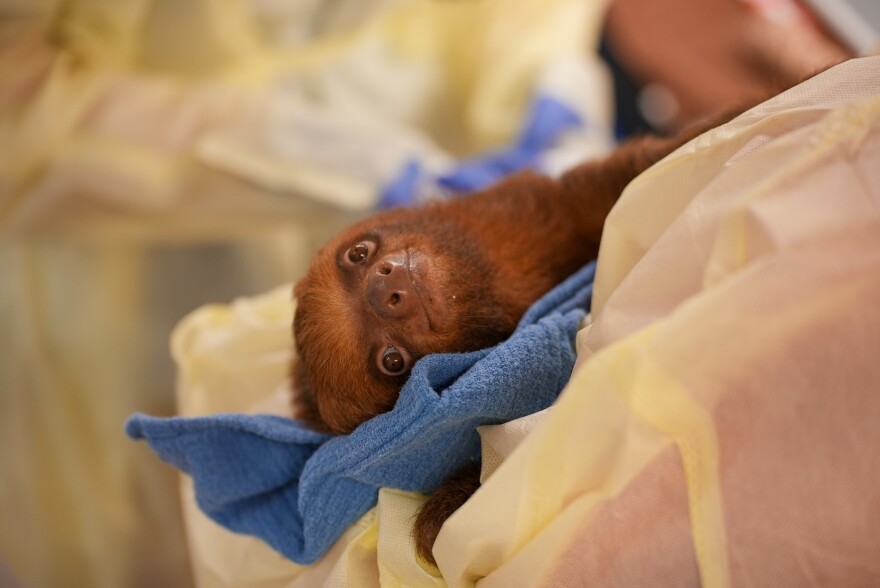
In April 2026, our Head Veterinarian and Conservation Medicine Research Manager, Dra. Ana María Villada Rosales, published an independent analysis of necropsy reports from the Bronson Animal Disease Diagnostic Laboratory. Her findings were grounded in peer-reviewed literature and each animal’s actual pathological record.
The most consistent findings documented across the sloths that died at Sloth World were gastric dilation, gastric bloat, gastric hyperkeratosis, peritonitis, myelomalacia, spinal cord hemorrhage, bronchopneumonia, pulmonary congestion, hematopoietic depletion, bone marrow atrophy, and nutritional deficiencies in copper and Vitamin A.
Dra. Villada’s published conclusion was direct: “The evidence demonstrates that inadequate husbandry practices, including housing territorial males together, transporting clinically compromised individuals, and failing to mitigate environmental stressors, significantly increased morbidity and mortality.”
That is not an opinion. It is a scientific conclusion drawn from the same pathology reports the OCSO reviewed, and it directly contradicts the finding that no inadequate care occurred.
Florida law defines adequate care as access to food, water, shelter, and veterinary services. The OCSO found that Sloth World documented all four. Under the current framework, that was enough.
BUT THE LAW DOES NOT SEE THIS.
A sloth can have food in its stomach and still be starving. Dra. Villada’s analysis explains that traditional body condition scoring used in other species is unreliable for sloths because their anatomy differs fundamentally. A sloth can have a full gastrointestinal tract and still be dying from nutritional failure. The food provided may have satisfied a legal checklist while the animals declined.
Gastric dilation, the most commonly documented finding, with some stomachs occupying 50 to 60 percent of the abdominal cavity, is described in our analysis as directly predisposed by improper diets, low temperatures, and husbandry practices. Hyperkeratotic gastritis, also documented across multiple animals, is described as a classic result of chronic stress, poor nutrition, and inadequate care.
These are not random disease outcomes. They are documented physiological consequences of the conditions these animals lived in.
No published species-specific reference ranges exist for Vitamin A or copper in sloths. Any conclusion that the facility met adequate care standards was based on general veterinary frameworks that were never designed for this species. The standard of care defined by Florida law was never adequate for a sloth.
Our analysis also found that male sloths, animals that are highly territorial in the wild with established home ranges, were housed together. This inevitably increases the risk of serious injury. Multiple sloths showed spinal cord hemorrhage and myelomalacia. Dra. Villada notes that in sloths, this type of damage can be associated with rough handling and trauma, and that due to their unique thoracic biomechanics, even partial cord injury has a disproportionate impact on mobility, digestion, and ventilation.
The OCSO acknowledged these findings. The law did not treat them as evidence of inadequate care.
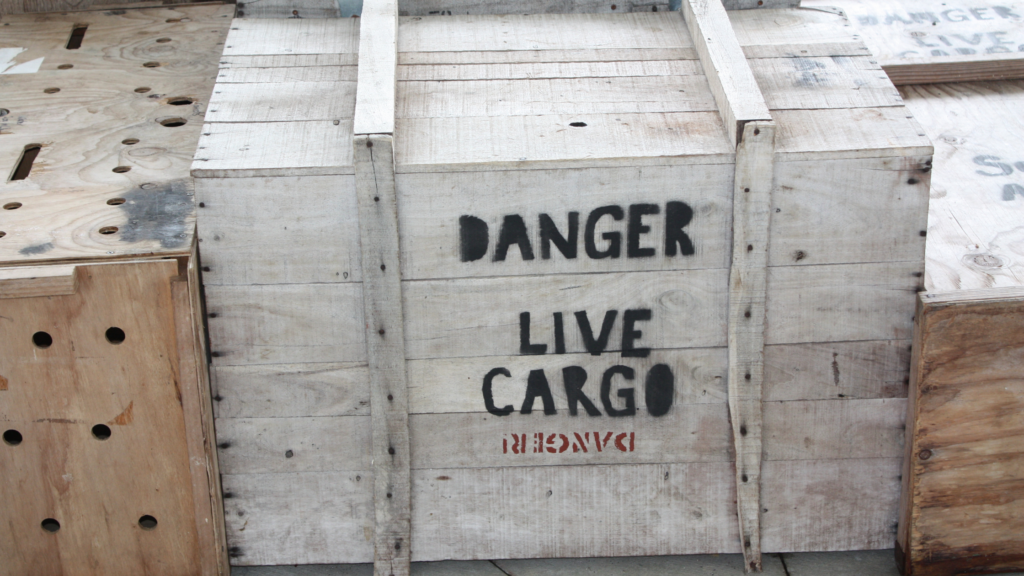
One additional finding deserves specific attention: one individual showed gastrointestinal disease before being transported internationally and was shipped anyway. Dra. Villada identifies this explicitly as a welfare failure that contributed to disease transmission. Knowingly transporting a compromised animal across borders is not a regulatory gray area. It is documented negligence, and under current law, it carries no consequences.
These instances stress the importance of keeping wild animals in their respective habitats and not moving wildlife across borders. Importing wild sloths, or any other species for that matter, threatens not only the individual’s livelihood but also the environments they’re being transported to.
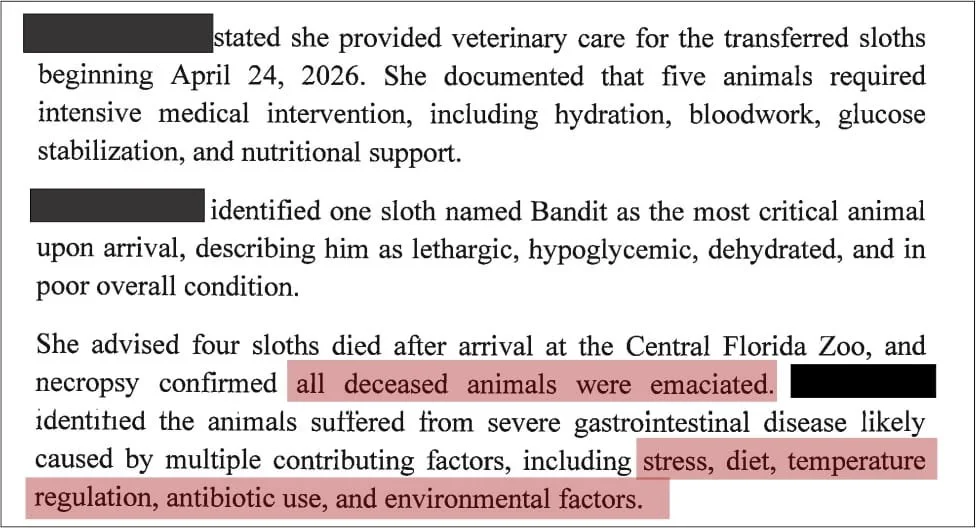
The OCSO investigation leaned heavily on the conclusion that a novel gammaherpesvirus was the primary cause of death. Our independent analysis reached a different conclusion.
Gammaherpesvirus is present in approximately 70 to 80 percent of wild sloth populations. It is typically latent. It reactivates under stress and immunosuppression. Dra. Villada’s analysis characterizes the virus as opportunistic and is exacerbated by capture stress, cold exposure during transport, and compromised immunity, rather than a primary driver operating independently of conditions.
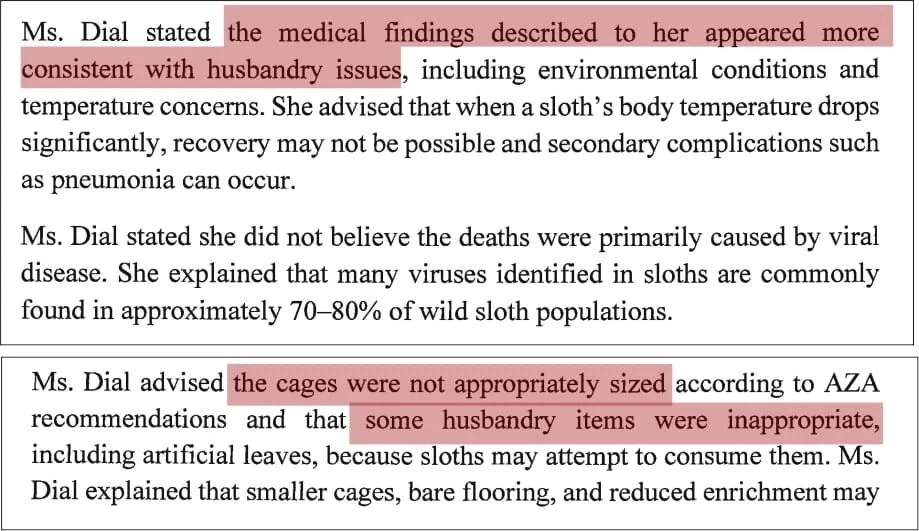
Notably, the OCSO’s own expert witness reached a similar conclusion. AZA Species Survival Plan coordinator Debra Dial testified in the police transcript that the pattern of illness was inconsistent with a typical viral outbreak because animals of different ages and origins experienced the same disease progression in the same timeframe. She believed environmental and husbandry conditions were the more likely explanation.
Her testimony is in the official OCSO report. The report still found no crime.
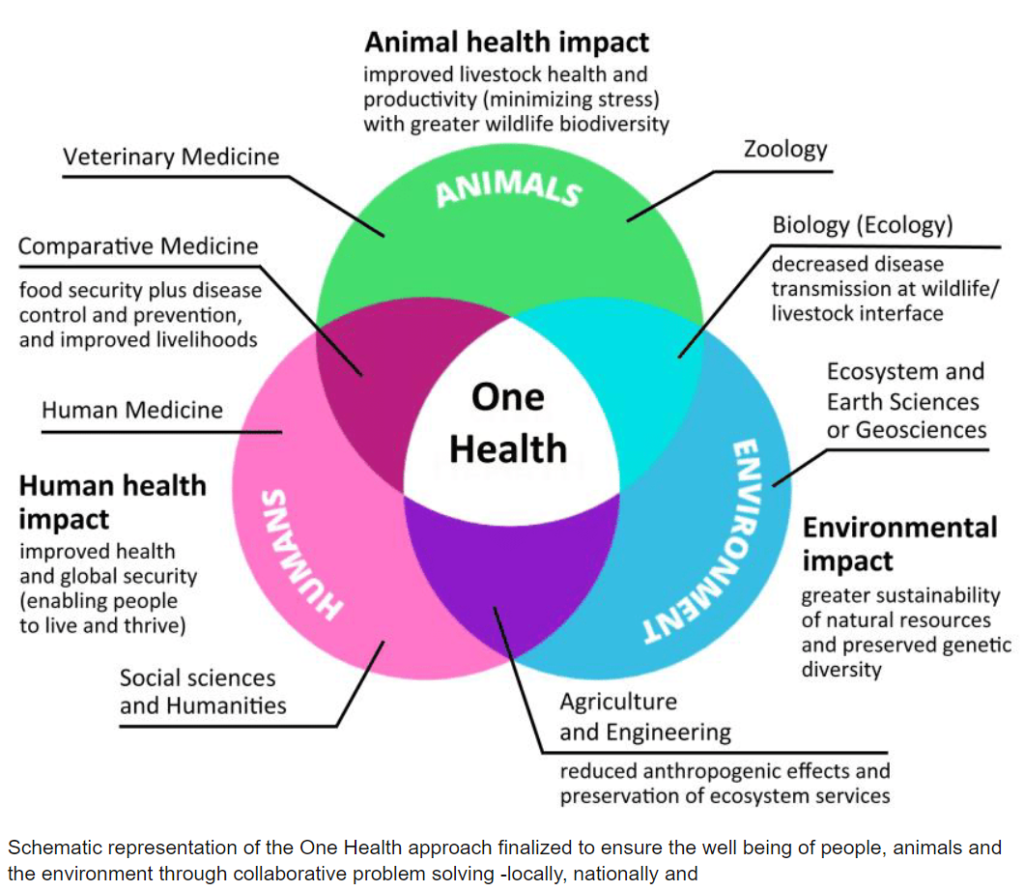
Our analysis also raises a broader concern that has not received enough attention: the Changuinola virus detected in these sloths is not currently reported in the United States. Transporting unscreened, wild-caught, potentially viremic animals across international borders introduces tropical pathogens into ecosystems with no existing immunity.
THIS IS A ONE HEALTH RISK.
The commercial sloth trade is not just an animal welfare problem. It is a potential public health problem.
The Sloth World outcome previews what will happen again unless the law changes. The definitions of cruelty and neglect were not written for a species this specialized. They do not account for the physiological reality of what a sloth needs to survive.
Through the Sloth Protection Alliance, we are pushing for a permanent federal ban on the commercial importation of wild-caught sloths, because the harm begins at the moment of capture, not at the facility door. As well as for mandatory independent death reporting so that mass mortality events cannot accumulate quietly.
The State Attorney’s Office is reviewing this case. Whatever they decide, our work does not stop with any individual prosecution. It stops when the system that allowed this to happen no longer exists.
Get Involved
How You Can Help
FUND THE FIGHT
USE YOUR VOICE

Sign our petition calling for a federal ban on importing wild sloths into the United States for commercial use