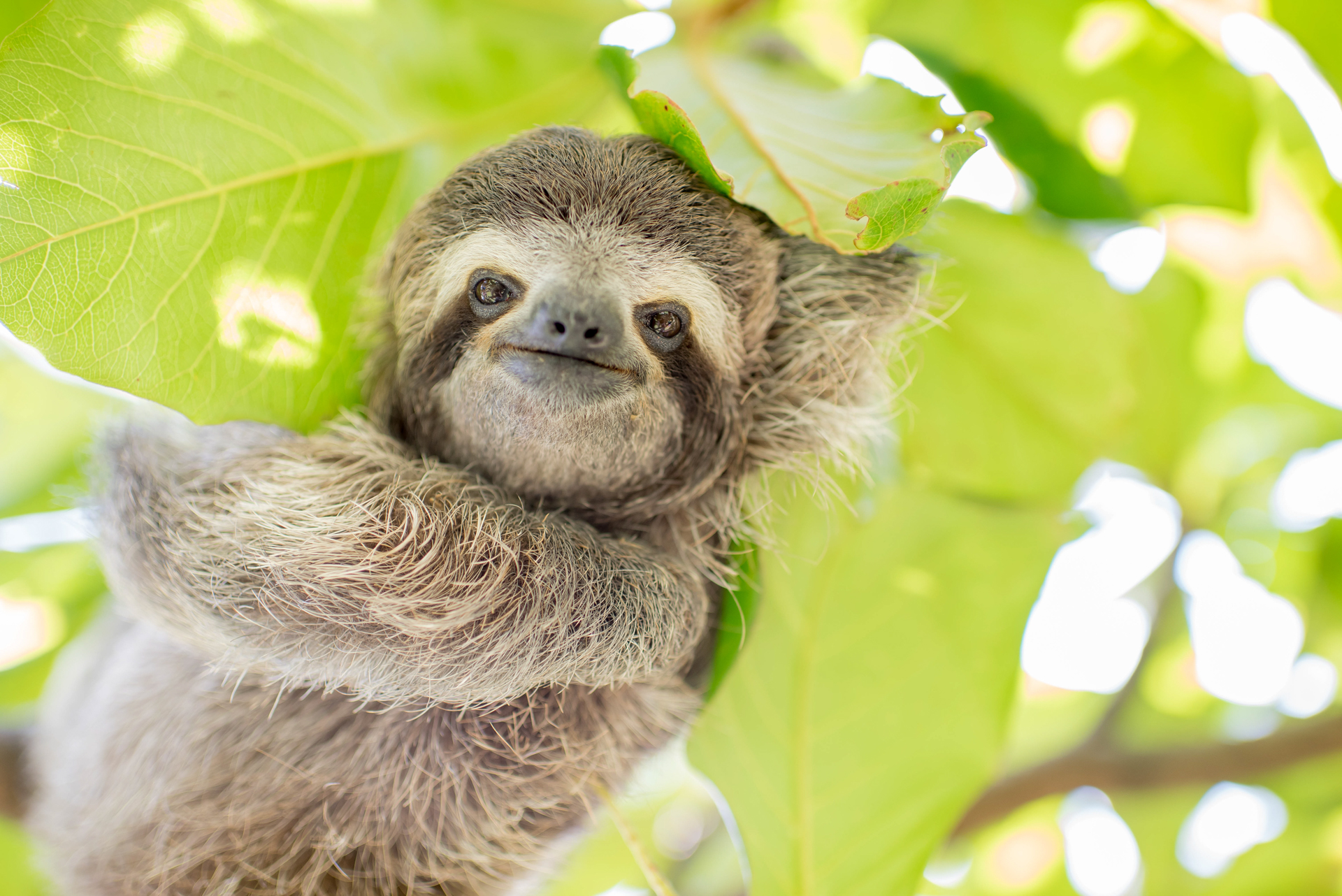
Every sloth has a different journey, and every stage requires dedicated care, research, and resources. From rescuing orphaned babies to monitoring sloths after they return to the rainforest, your generosity makes this work possible.
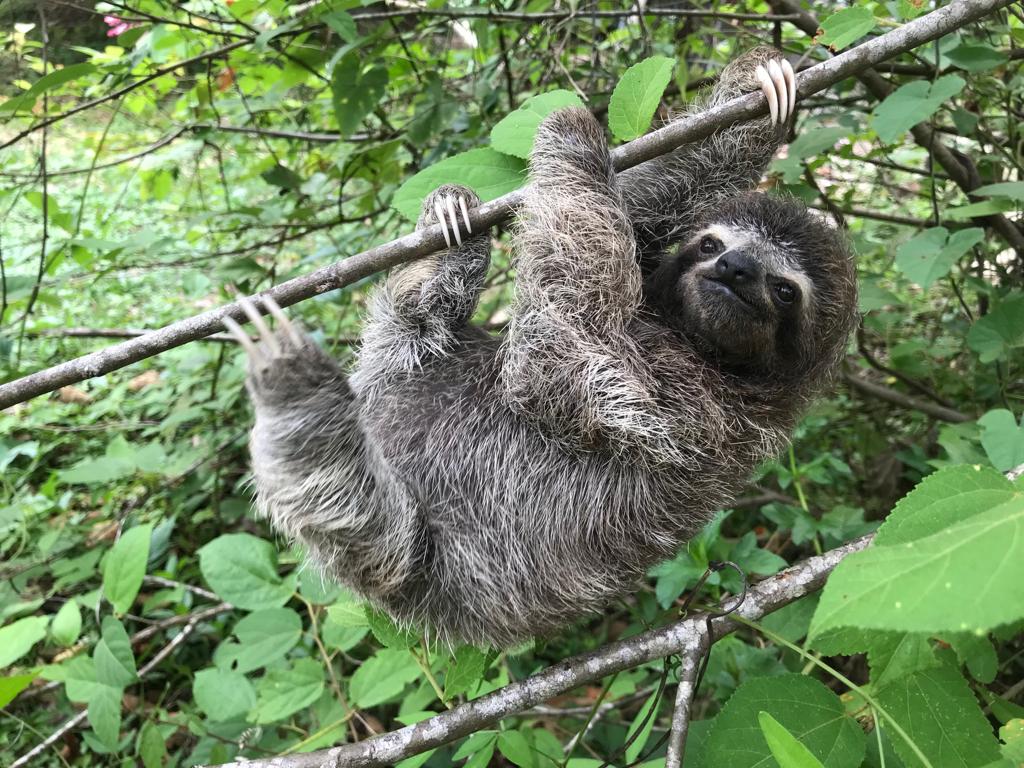
After her rescue, Tilly began her journey toward recovery. Once healthy and strong enough, she entered our release program and eventually returned to the rainforest, equipped with a tracking collar, so our team could monitor her progress.
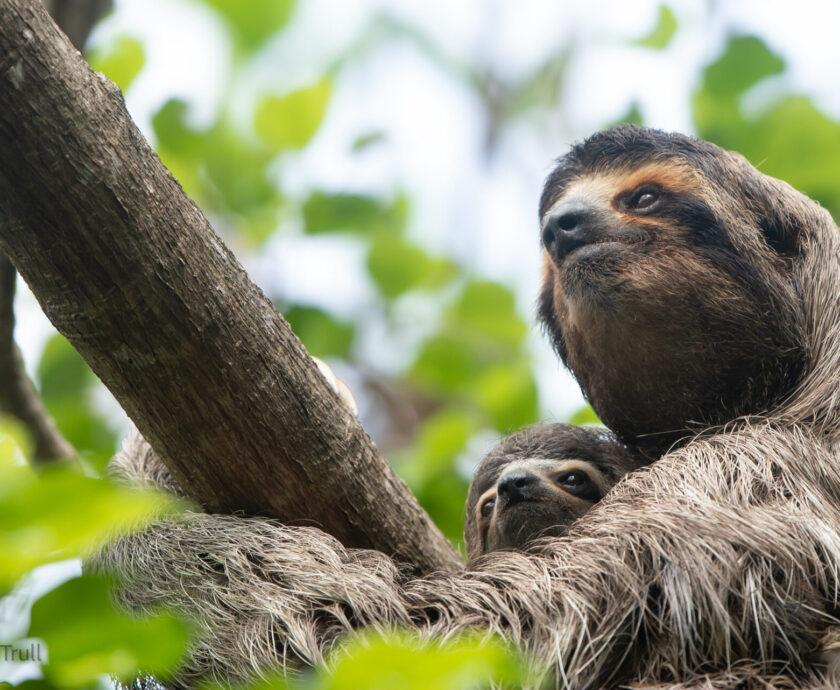
Today, Tilly has been thriving in the wild for approximately eight years and has welcomed seven babies since her release! She also holds the record for the largest offspring at weaning weight among the sloths we monitor.
By tracking Tilly and her offspring, we are learning more about wild sloth mothers, their babies, and their development. Her story demonstrates that conservation doesn’t end when a sloth is released. Tracking and long-term monitoring allow us to continue learning and help inform future conservation efforts.
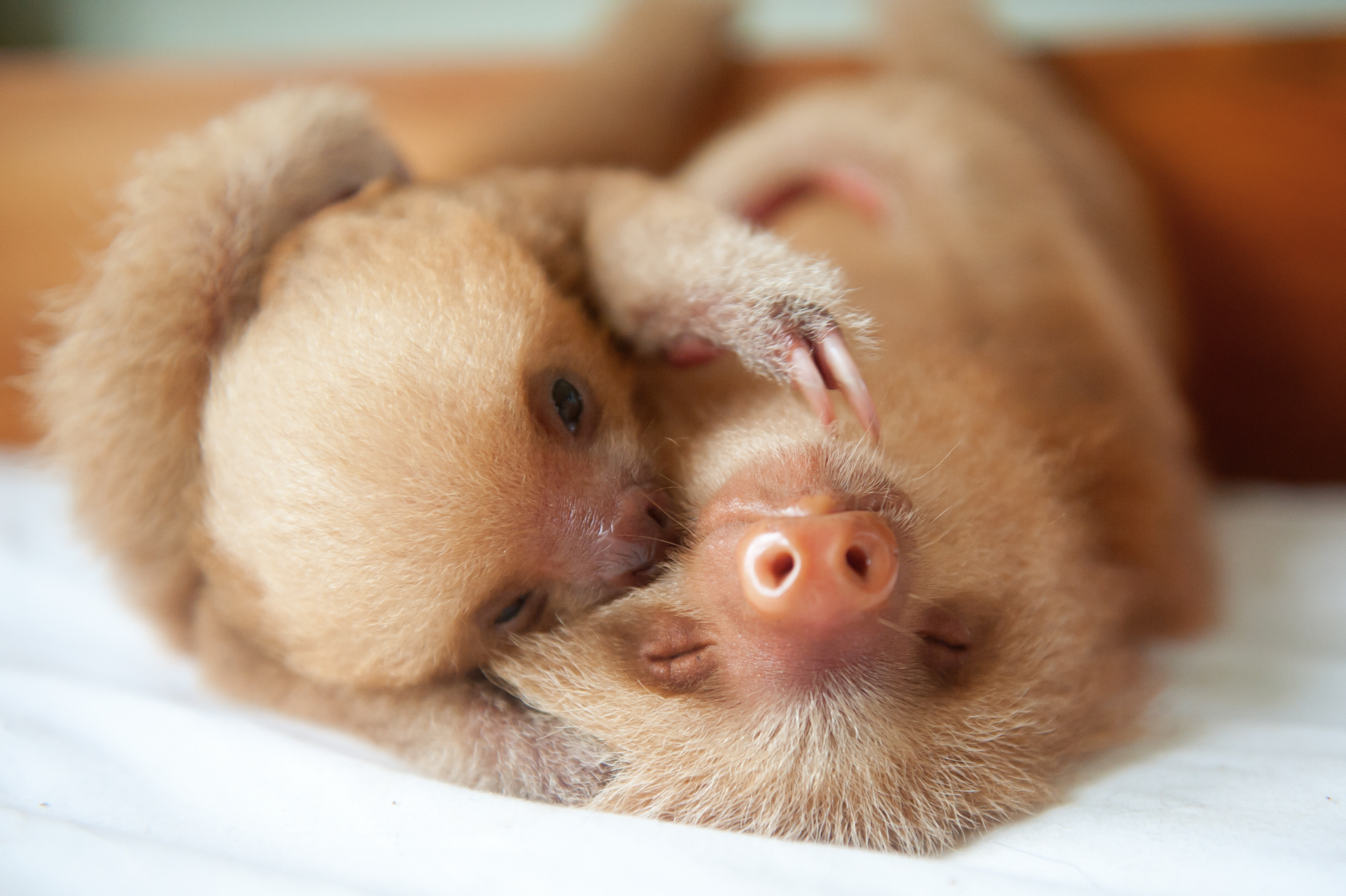
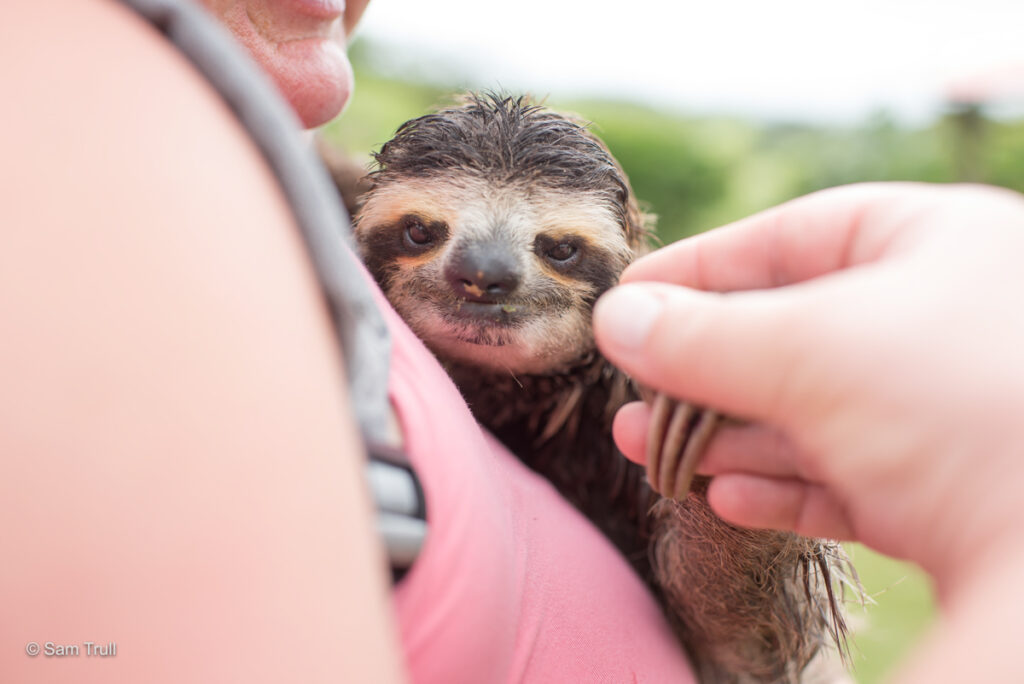
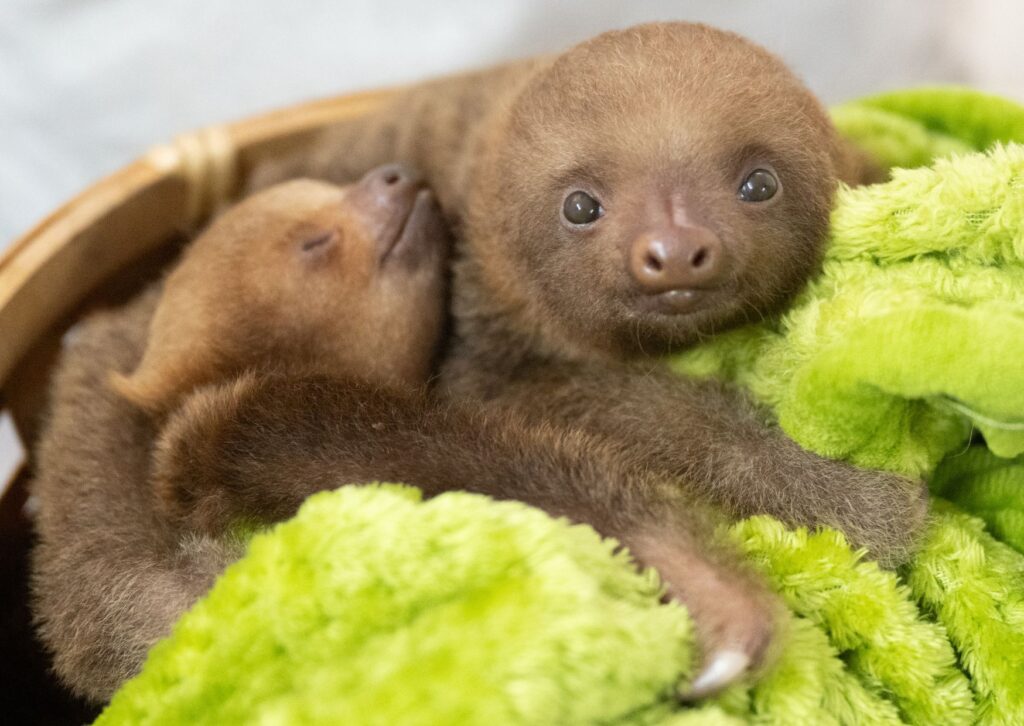
Today, both girls are making progress at Sloth School!After arriving at TSI, they became inseparable, with Hannah’s bold personality perfectly complementing Sabrina’s patient, big-sister nature.
Through specialized nutrition, veterinary care, and daily monitoring, our team is helping them grow stronger and develop the skills they will need for life in the wild.
On May 24, 2026, our team spotted Etta resting unusually low in a palm tree at Tulemar. Since sloths typically spend most of their lives high in the rainforest canopy, her unusual position raised concerns. What initially seemed like a simple relocation quickly became something more when we discovered she was suffering from diarrhea and several other health issues.
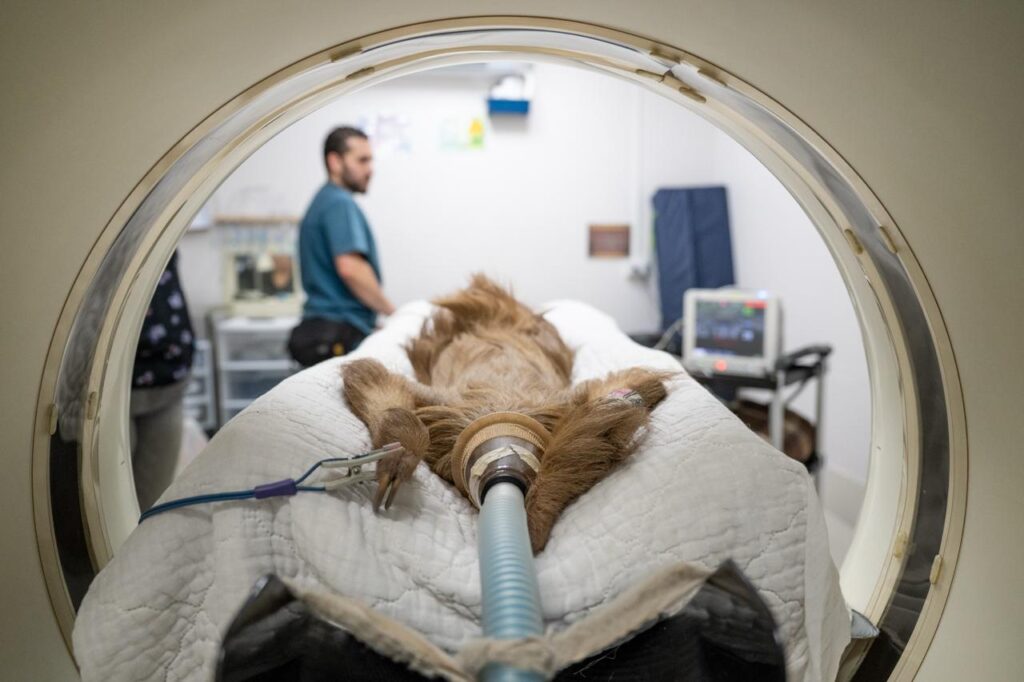
However, her journey isn’t over. When an X-ray revealed a concerning area near her trachea, our team knew we needed additional testing. This meant arranging an all-day trip to San José for a CT scan, involving approximately eight hours of driving and $600 in expenses. Long-distance travel can also be stressful for sloths, making these veterinary journeys especially challenging.
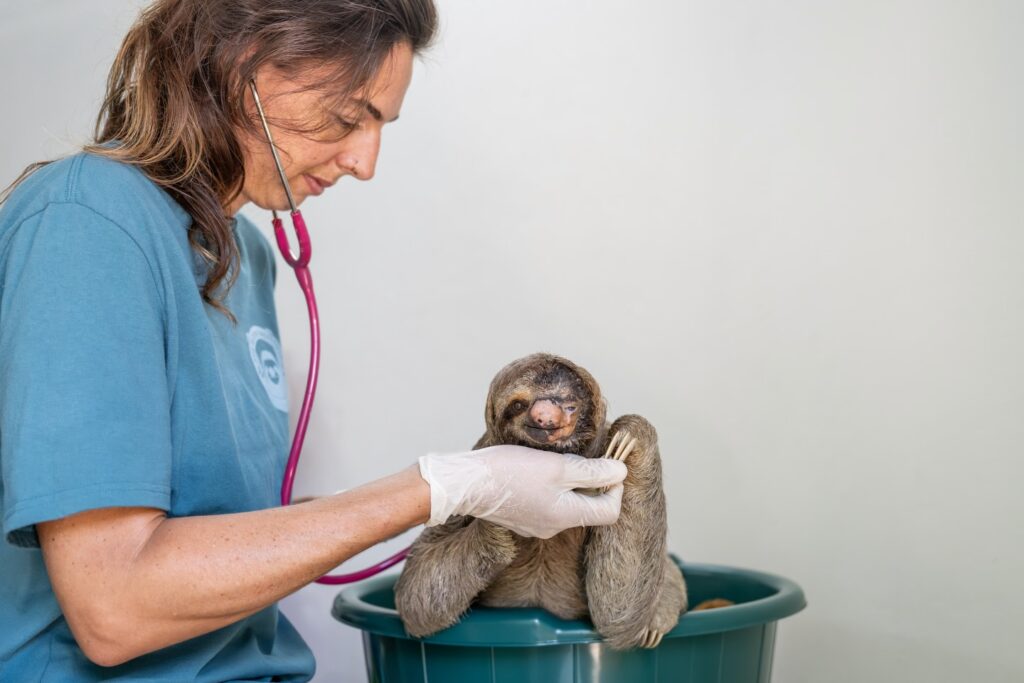
Etta’s story reminds us that wildlife rehabilitation sometimes requires going the extra mile, quite literally. From routine health checks to advanced diagnostic imaging, your support helps provide the medical resources rescued sloths need.
Your generosity helps ensure that sloths like Etta receive the care and diagnostic testing they need, even when the answers are miles away.
Electrocution is one of the serious dangers sloths can face as they move through their natural tree habitats. Phoenix was found on the ground in Manuel Antonio after coming into contact with an electrical transformer. Her case was particularly severe: rather than the more typical electrical injuries that enter and exit through separate limbs, Phoenix sustained extensive external burns after making contact with the transformer and catching fire.
Electrocution injuries can be especially challenging because the damage isn’t always immediately visible. Electrical current can cause internal tissue damage, and wounds may take several days to appear.
Phoenix required treatment for her severe surface burns and continued veterinary care throughout her recovery. After three months of treatment and rehabilitation, she was finally ready to return to the wild. She was released back into Manuel Antonio, giving her a second chance in the habitat she calls home.
Your generosity helps provide emergency treatment, veterinary care, and rehabilitation for sloths like Phoenix, giving them the opportunity to recover and return to the wild.
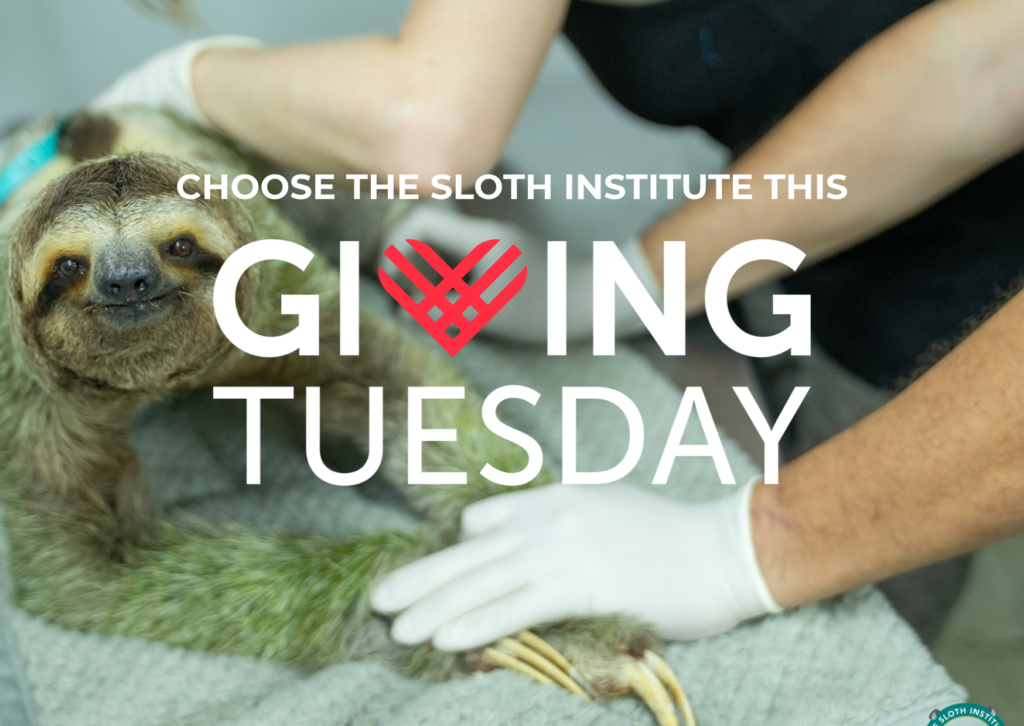
Giving Tuesday is a global day of generosity held every year on the Tuesday after Thanksgiving. This year it falls on Tuesday, December 1, 2026. After a weekend of shopping, it is a chance to give back to the causes you love.
This #GivingTuesday, we invite you to turn generosity into action by supporting sloth welfare and conservation and helping protect these incredible animals in the wild.
Every sloth has a story. Every gift helps protect their future.