




Sloth Facts
THE SLOTH SCIENCE JOURNALSLOTH FACTS
WHICH SLOTHS LIVE IN COSTA RICA?
Costa Rica is home to two iconic sloth species that have become symbols of the country’s rich biodiversity and rainforest conservation efforts. From sleepy roadside sightings to rare moments high in the canopy, sloths are among the most beloved wildlife animals in Costa Rica. But despite their popularity, many people do not realize there are actually two very different kinds of sloths living here.
At The Sloth Institute, researchers and wildlife rehabilitators work closely with both species every day, helping injured and orphaned sloths return to the wild while advancing sloth conservation and education.
How Many Sloth Species Exist?
There are six living sloth species in the world, but only two are native to Costa Rica:
- The Brown-throated Three-fingered Sloth
- Hoffmann’s Two-fingered Sloth
While tourists often refer to them simply as “sloths,” these two species differ in appearance, behavior, diet, activity patterns, and even personality.
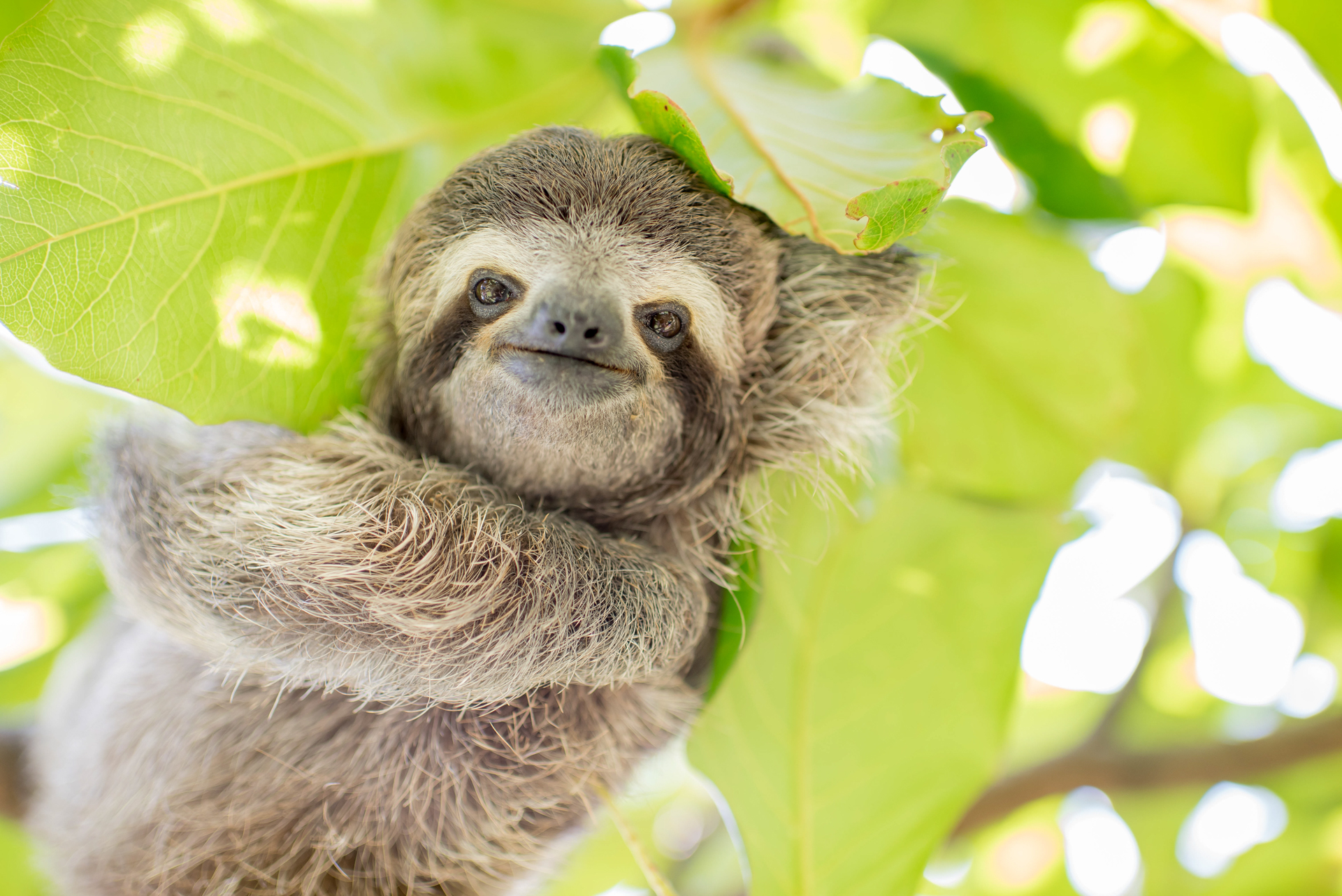
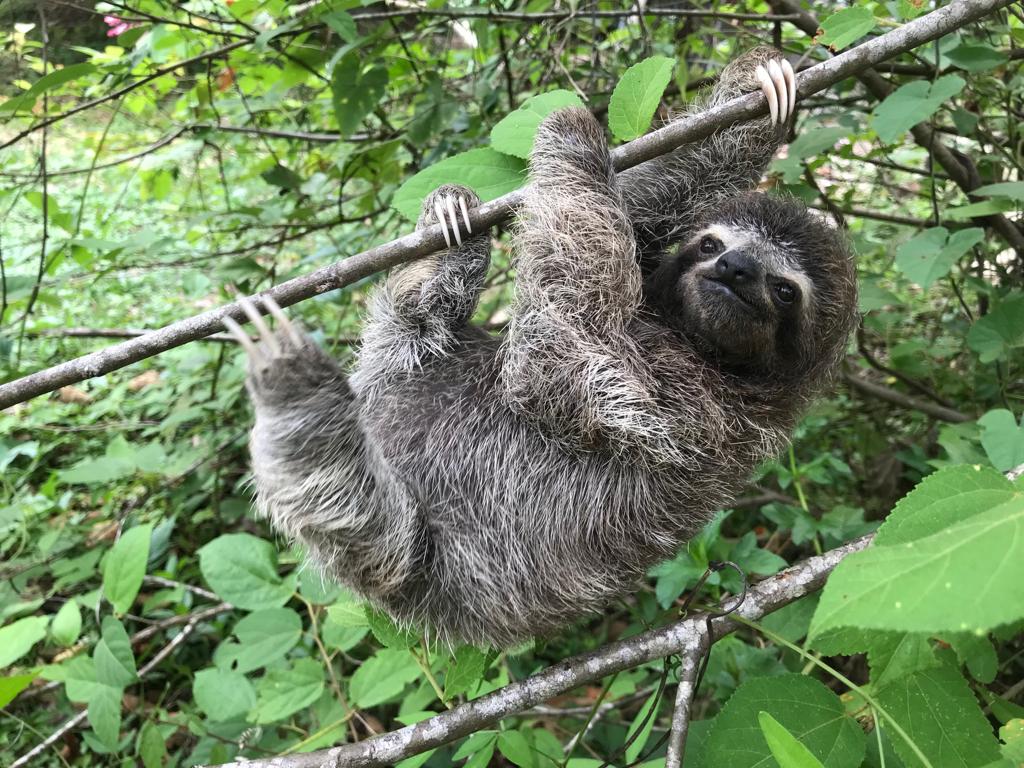
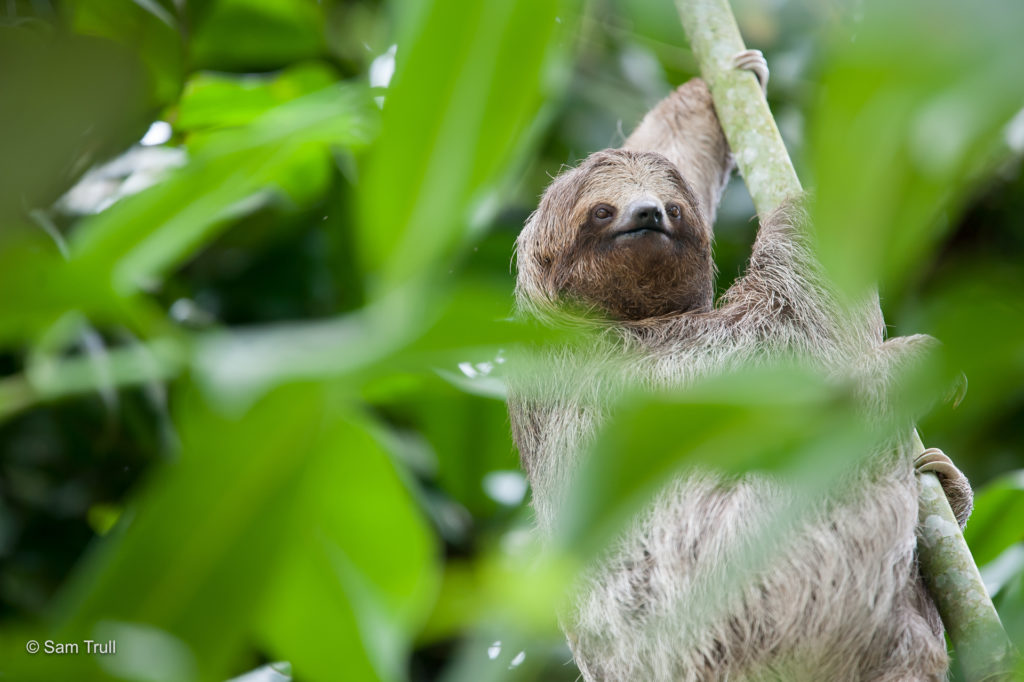
Brown-throated Three-fingered Sloth
Key Characteristics:
- Three fingers on each hand and three toes on each foot
- Average adult weight of 4 to 5 kg
- Mostly herbivorous
- Active during both day and night, known as “cathemeral”
- Gestation lasts approximately 6 to 7 months
Unlike what many people assume, sloths are not lazy. Their slow movement is actually an evolutionary survival strategy that helps conserve energy and avoid predators.
This sloth is the species most visitors picture when they think of a sloth. With its gentle facial expression, smaller body, and famously slow movements, this species has become one of Costa Rica’s most recognizable animals.
Three-fingered sloths are highly specialized leaf eaters and are often associated with cecropia trees, one of their preferred food sources. Their slow metabolism helps them survive on a low-calorie diet of leaves.
Where Are Three-fingered Sloths Found in Costa Rica?
Brown-throated three-fingered sloths can be found throughout much of Costa Rica, especially in tropical rainforest regions and coastal forests. According to The Sloth Institute, they are found throughout most of the country except the driest parts of Guanacaste Province.
They are commonly spotted in:
- Manuel Antonio
- Puerto Viejo
- La Fortuna
- Sarapiquí
- Southern Pacific rainforest regions
Because they can be active during daylight hours, they are often easier for travelers to spot than two-fingered sloths.
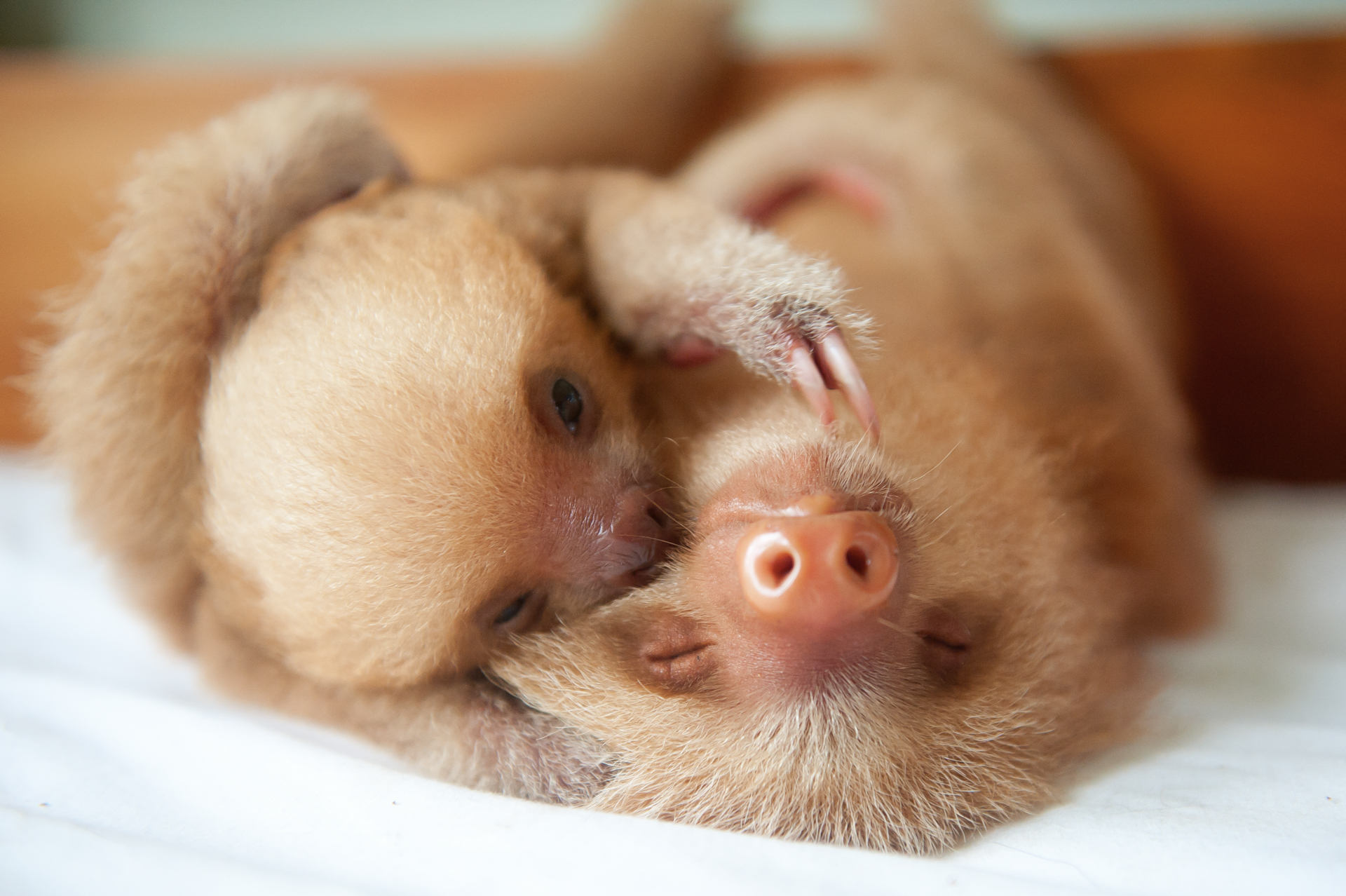
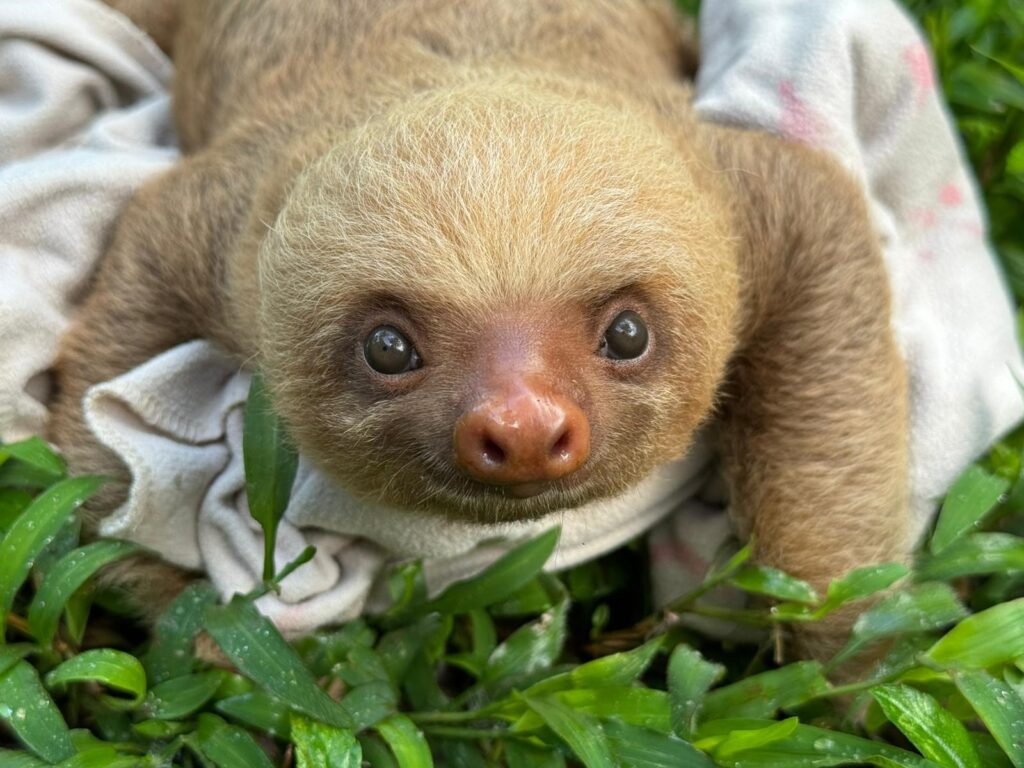
Hoffmann’s Two-fingered Sloth
Key Characteristics:
- Two fingers on the hands
- Three toes on the feet
- Average adult weight of 5 to 6 kg
- Primarily nocturnal
- More varied diet than three-fingered sloths
- Gestation lasts approximately 10 to 11 months
- Slightly more omnivorous diet.
The Hoffmann’s two-fingered sloth is larger, shaggier, and often more elusive than its three-fingered cousin. Despite the name, this species actually has two fingers on its hands and three toes on its feet.
Two-fingered sloths are known for being surprisingly strong and defensive when threatened. Wildlife professionals frequently remind the public that sloths are wild animals and should never be touched or handled.
Why Are Two-fingered Sloths Harder to See?
Because Hoffmann’s two-fingered sloths are nocturnal, they are much more difficult to observe during the day. Visitors are more likely to spot one sleeping high in the canopy or moving at night.
Their shaggy fur and darker coloration also help them blend seamlessly into rainforest trees.
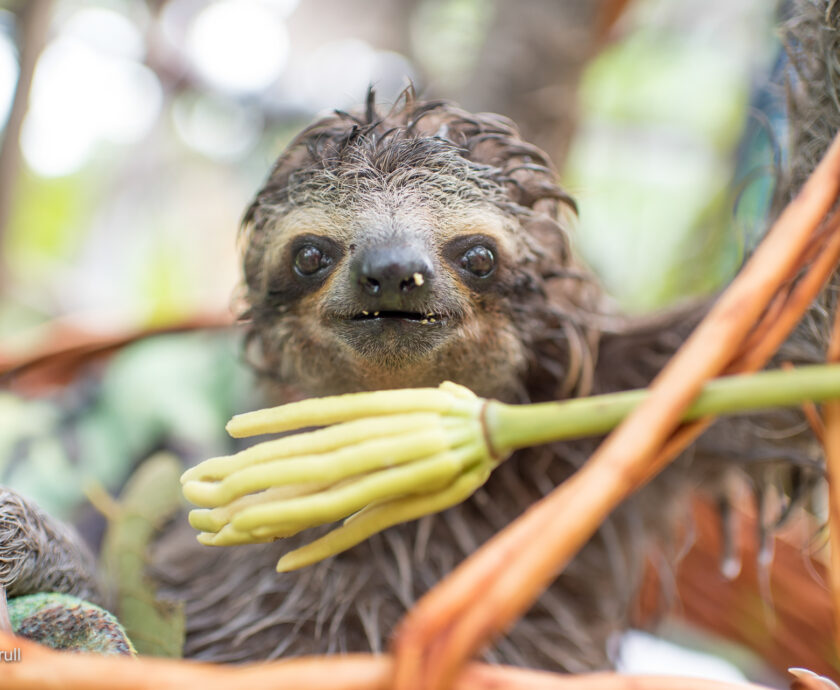
Brown-throated Three-fingered
Brown-throated Three-fingered
Three fingers on the hands and three toes on the feet; Average Size for adults is 4-5kg; they have between 8-10 Cervical vertebrae; gestation is 6-7 months and they wean offspring between 5-6 months (1kg in size); cathemeral; herbivorous.
Hoffman's Two-fingered Sloth
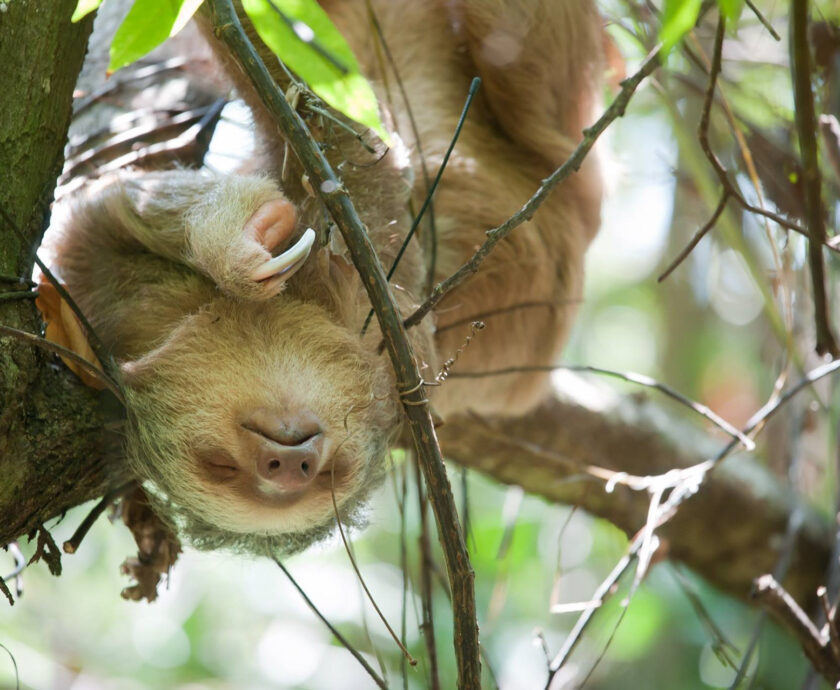
Hoffman's Two-fingered Sloth
Two fingers on the hands and three toes on the feet; Average Size for adults is 5-6kg; they have between 5-7 Cervical vertebrae; gestation is 10-11 months and they wean offspring between 11-12 months (2.5kg in size); nocturnal; herbivorous/slightly omnivorous.

Comment(01)